
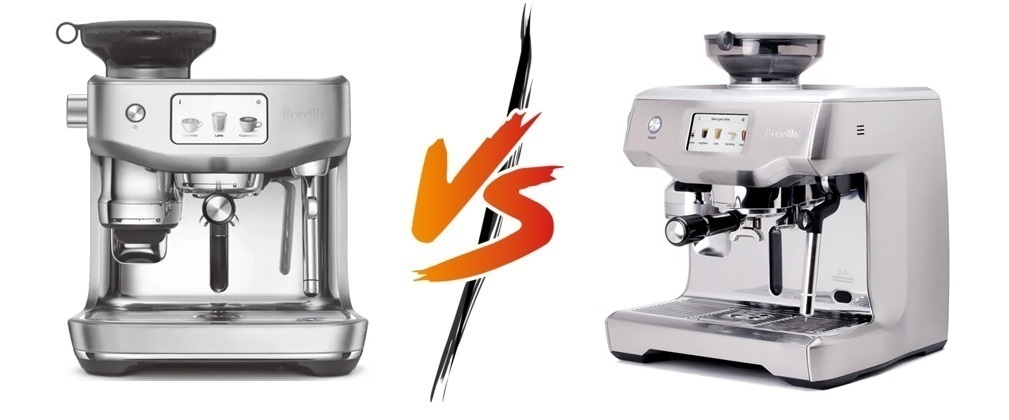
If you’re looking at these two machines, you’re already deep into the “I want café-quality coffee at home” category. These aren’t casual purchases. They’re big, expensive, and designed for people who care about espresso.
I’ve spent time with both types of machines, and here’s the honest truth: these two models take different approaches to solving the same problem.
The Oracle Touch is about traditional power and consistency.
The Oracle Jet is about speed, automation, and guidance.
Neither is strictly better. It depends on what kind of coffee experience you want.
Let’s go through it properly.
Breville Oracle Jet vs Oracle Touch Comparison Chart
If you click the links below, under the product images, you will be redirected to Amazon.com. In case you then decide to buy anything, Amazon.com will pay me a commission. This doesn’t affect the honesty of this review in any way though.
| Category | Breville Oracle Jet Espresso Machine | Breville Oracle Touch Espresso Machine |
|---|---|---|
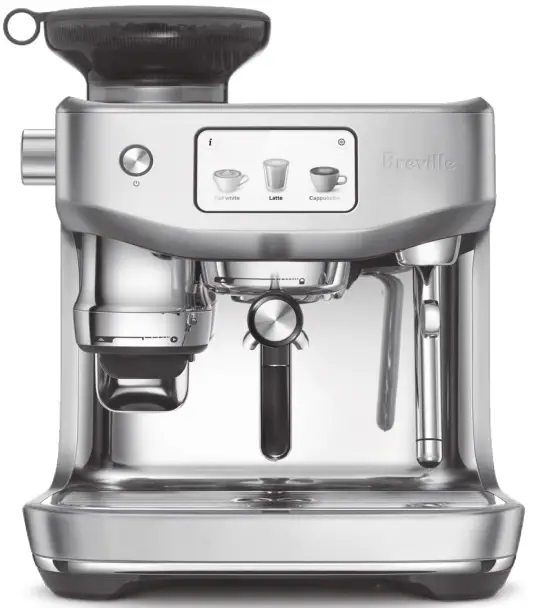 | 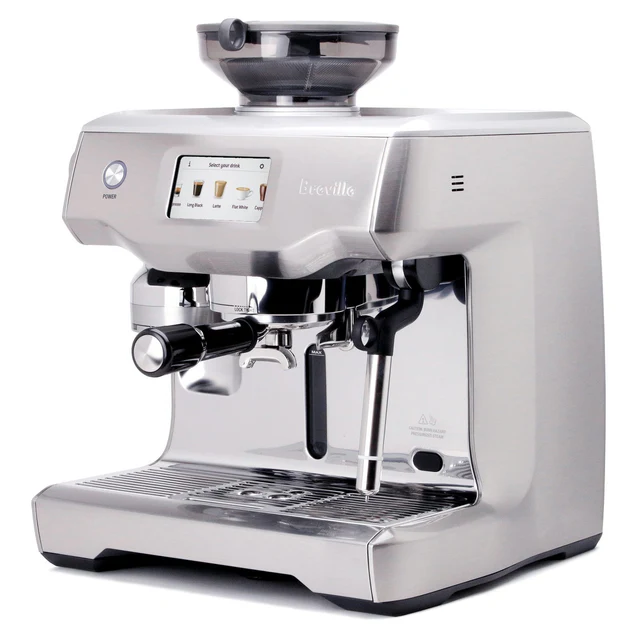 | |
| Check the best price on Amazon | Check the best price on Amazon | |
| Heating System | ThermoJet rapid heating system | Dual boiler system |
| Brew Temperature Control | Digital PID with fast stabilization | PID temperature control (boiler-based) |
| Boilers | Single ThermoJet thermal system | Dedicated espresso + steam boilers |
| Pump Pressure | 15 bar (adjusted to ~9 bar extraction) | 15 bar (adjusted to ~9 bar extraction) |
| Grinder Type | Integrated conical burr grinder (Baratza-style) | Integrated conical burr grinder |
| Grind Settings | 45 precision steps | 45 precision steps |
| Dose System | Auto grind-by-weight, adaptive dosing | Auto grind-by-weight, fixed dosing once set |
| Tamping | Automatic tamping system | Automatic tamping system |
| User Interface | 5” high-resolution touchscreen with guided UI | Touchscreen interface with preset drink selection |
| Guidance System | Advanced barista guidance (real-time feedback) | Minimal guidance (preset-based workflow) |
| Espresso Customization | Strength, temperature, dose, grind adjustment | Strength, temperature, milk texture, volume |
| Milk System | Auto MilQ with adaptive texture control | Automatic steam wand with adjustable texture |
| Milk Texturing | AI-assisted microfoam optimization | Pre-set texture levels + manual option |
| Simultaneous Brew & Steam | Limited (ThermoJet sequencing) | Yes (dual boiler allows both at once) |
| Cold Drink Capability | Yes (cold espresso + cold brew style drinks) | No |
| Water Tank Capacity | ~2L (varies slightly by region) | ~2.5L |
| Bean Hopper Capacity | ~340g | ~280–340g (region dependent) |
| Maintenance System | Guided cleaning cycles with smart alerts | Standard automated cleaning prompts |
| Descaling | Step-by-step guided descaling | Step-by-step descaling process |
| Material | Brushed stainless steel | Brushed stainless steel |
| Weight | Lighter due to ThermoJet system | Heavier due to dual boilers |
| Energy Efficiency | Higher efficiency (rapid heat system) | Lower efficiency (constant boiler heating) |
| Noise Level | Moderate, slightly quieter grinder cycle | Moderate, slightly louder overall operation |
| My individual reviews | Breville Oracle Jet review | Breville Oracle Touch review |
Design & Build Quality
When you’re spending this much on an espresso machine, design and build quality stop being secondary concerns. They become part of the ownership experience. These machines sit on your counter every day. You touch them, clean them, rely on them. So how they feel and how they’re put together matters just as much as how the coffee tastes.
At a glance, both the Breville Oracle Jet Espresso Machine and the Breville Oracle Touch Espresso Machine clearly come from the same design language. Brushed stainless steel dominates the exterior, edges are softened but still purposeful, and everything is laid out with a kind of practical symmetry. They look like premium appliances, not decorative ones. There’s no attempt to make them overly flashy. Instead, they lean into a clean, professional aesthetic that fits just as well in a modern kitchen as it would in a small café.
That said, once you move past the first impression, the differences start to show.
The Oracle Touch feels like it was built with a traditional espresso machine mindset. It’s physically larger, noticeably heavier, and carries that weight in a way that feels intentional. When you place it on the counter, it doesn’t shift. When you lock in the portafilter, there’s resistance and feedback that feels mechanical in a reassuring way. This is largely due to its dual boiler system, which adds both bulk and structural rigidity. Internally, it’s closer to commercial-style machines, just adapted for home use.
There’s something about that weight and density that gives you confidence. It feels overbuilt rather than just well-built. Panels don’t flex, seams are tight, and even after extended use, it tends to hold that solid, planted presence. If you’re someone who equates heft with durability, the Oracle Touch delivers that impression immediately.
The Oracle Jet takes a slightly different approach. It’s still premium, still mostly stainless steel, but the overall design feels more streamlined. The body is a bit more compact, and while it’s by no means light, it doesn’t have the same dense, industrial feel as the Touch. This is largely because of the ThermoJet heating system, which is smaller and more efficient than a dual boiler setup.
That difference in internal architecture shapes the entire build philosophy. The Jet feels engineered for efficiency and integration rather than raw mechanical robustness. It’s not fragile by any means, but it leans more toward modern appliance design than traditional espresso machine construction.
One of the most noticeable distinctions is the front interface. On the Oracle Touch, the screen is functional and clear, but it sits within a design that still revolves around physical components. The group head, steam wand, and grinder all visually dominate the front. The screen feels like an addition to a machine that is otherwise mechanical at its core.
On the Oracle Jet, the touchscreen feels central to the design. It’s larger, sharper, and more responsive, and the surrounding layout seems built around it. The machine presents itself less like a piece of equipment and more like an integrated system. This changes how you interact with it. You’re not just operating a machine. You’re navigating it.
Materials are another area where both machines largely meet expectations. Stainless steel covers most of the exterior surfaces, and the finish is consistent across panels. It resists fingerprints reasonably well, though like any brushed steel, it will still show smudges under certain lighting. The drip trays are sturdy, not flimsy, and slide in and out with a smooth but secure motion.
The portafilters on both machines deserve a mention. They’re solid, well-weighted, and feel close to what you’d expect from a professional setup. The handles are comfortable, and the locking mechanism is tight without being overly stiff. On the Touch especially, the interaction between the portafilter and the group head feels particularly satisfying. It has that slight resistance that tells you everything is aligned and sealed properly.
The grinder integration is also handled well on both models. It’s built into the machine in a way that doesn’t feel like an afterthought. The hopper sits securely on top, and the grind adjustment mechanism feels precise rather than loose. On the Jet, this integration is a bit more refined visually. The transitions between components are smoother, and the overall look is cleaner.
Where the Jet pulls ahead slightly is in small usability details. The water tank is easier to access, the drip tray design feels a bit more modern, and the overall layout seems optimized for quick interaction. These aren’t dramatic differences, but they add up over time, especially if you’re using the machine daily.
However, that refinement comes with a trade-off. The Oracle Jet’s design is more dependent on its electronic systems. The touchscreen, sensors, and internal automation all play a bigger role in how the machine functions. While this makes it easier to use, it also introduces more potential points of failure compared to the more mechanically grounded Oracle Touch.
The Touch, by comparison, feels simpler in its core structure. Even though it’s still a complex machine, its design leans more on physical systems than digital ones. For long-term durability, that can be an advantage. Fewer integrated electronics often mean fewer things that can go wrong over time.
Another subtle difference is how each machine handles heat and ventilation. The Oracle Touch, with its dual boiler system, generates more sustained heat. You can feel this around the top and sides during extended use. The chassis is designed to manage this, but it does contribute to the overall “machine-like” presence.
The Oracle Jet runs cooler overall, thanks to its more efficient heating system. This makes it feel a bit more approachable in a home kitchen setting. It doesn’t dominate the space in quite the same way, physically or thermally.
From a purely aesthetic standpoint, choosing between them comes down to preference. The Oracle Touch looks like a classic high-end espresso machine. It has that café-inspired presence that some people really want on their counter. The Oracle Jet looks more contemporary. Cleaner lines, more emphasis on the interface, and a slightly more minimal feel.
Neither approach is objectively better. They just appeal to different instincts.
If you value traditional craftsmanship, weight, and that sense of owning a serious piece of coffee equipment, the Oracle Touch stands out. It feels like something built to last, with a design rooted in established espresso machine principles.
If you prefer a modern, streamlined appliance that integrates technology more seamlessly into the experience, the Oracle Jet makes a strong case. It feels current, efficient, and designed for how people actually use machines today.
In the end, both machines are well-built. There are no obvious weak points, no corners cut in critical areas. The difference isn’t about quality versus lack of quality. It’s about philosophy. One leans mechanical and traditional. The other leans digital and modern. Which one feels better will depend on what you expect when you walk up to your machine each morning.
User Interface & Ease of Use
The biggest practical difference between the Breville Oracle Jet Espresso Machine and the Breville Oracle Touch Espresso Machine shows up the moment you turn them on. You don’t need to pull a shot or steam milk to notice it. It’s right there in how they present themselves and how they expect you to interact.
Both machines aim to simplify espresso making. They automate grinding, dosing, tamping, and milk texturing. But they take very different approaches to how much they guide you and how much they expect you to figure out on your own.
The Oracle Touch was already a big step forward when it came out. It replaced the traditional cluster of buttons and dials with a touchscreen that lets you select drinks directly. You tap “latte,” adjust strength and milk temperature if you want, and the machine handles the rest. It’s intuitive in a way that older espresso machines simply aren’t.
Still, the Touch behaves like a simplified version of a traditional machine. It gives you presets and lets you tweak them, but it doesn’t actively coach you. If your espresso shot runs too fast or too slow, the machine won’t step in and tell you what’s wrong. You’re expected to learn that over time, either through experience or external knowledge.
That’s where the Oracle Jet shifts the experience quite a bit.
The Jet doesn’t just present options. It actively participates in the process. The interface is built around guidance, not just control. It observes what you’re doing and feeds that information back to you in a way that feels almost like having a barista standing next to you.
For example, if your grind size is off and your extraction runs too quickly, the Jet will tell you. Not in vague terms, but in actionable suggestions. It might recommend adjusting the grind finer or modifying your dose. That feedback loop changes how quickly you improve. Instead of guessing, you’re being nudged in the right direction every time you make a drink.
This difference becomes especially important for beginners. Espresso has a reputation for being difficult to get right, and that reputation isn’t undeserved. Small changes in grind size, dose, or tamp can dramatically affect the result. With the Oracle Touch, you still have to go through that trial-and-error phase. The machine makes the process easier, but it doesn’t eliminate the learning curve.
With the Oracle Jet, the learning curve feels shorter and less frustrating. You’re not just making coffee. You’re being guided through it.
Another noticeable difference is the responsiveness and fluidity of the interface itself. The Oracle Touch screen is perfectly functional. It responds to taps reliably, and the menu structure is simple enough that you rarely get lost. But it feels like an earlier generation of touchscreen design. Transitions are basic, and there’s a slight delay that you start to notice once you’ve used something faster.
The Oracle Jet feels more like using a modern smartphone or tablet. Swipes are smooth, animations are cleaner, and everything reacts instantly. It’s a small detail, but it contributes to the overall sense that the machine is more advanced and more refined.
Customization is another area where both machines perform well, but in slightly different ways.
On the Oracle Touch, you can adjust:
- coffee strength (which affects dose)
- milk temperature
- milk texture
- shot volume
You can also save your preferred settings for different drinks. This is useful if multiple people are using the machine, each with their own preferences. Once saved, you can recreate your drink with a single tap.
The Oracle Jet offers similar customization, but it layers guidance on top of it. Instead of just adjusting parameters, you’re often doing so with context. The machine helps you understand why you might want to change something, not just how to change it.
That distinction matters over time. With the Touch, customization is about preference. With the Jet, it becomes part of a feedback-driven process that gradually improves your results.
Workflow is another key aspect of ease of use, and here the differences become more practical.
The Oracle Touch follows a fairly linear process:
- Select your drink
- The machine grinds, doses, and tamps
- It extracts the espresso
- You steam milk (automatically or manually)
It’s straightforward and predictable. Once you’ve done it a few times, it becomes second nature.
The Oracle Jet introduces a more dynamic workflow. One of its standout features is the ability to queue actions. For instance, you can set it up so that milk steaming starts automatically after espresso extraction finishes. This reduces the number of steps you have to manage manually.
It might not sound like a big deal, but in daily use, it makes the process feel smoother and more continuous. You’re not waiting for one step to finish before starting the next. The machine handles that sequencing for you.
Another small but meaningful improvement is how the Jet handles errors and edge cases. If something goes wrong on the Oracle Touch, the feedback is usually minimal. You might get a message, but it won’t necessarily tell you how to fix the problem in a practical way.
The Oracle Jet tends to be more descriptive. It explains what’s happening and often suggests a solution. This reduces frustration, especially if you’re not deeply familiar with espresso terminology or techniques.
That said, all this added intelligence comes with a trade-off.
The Oracle Jet’s interface is more complex under the surface. There are more systems working together, more sensors, more software logic. While this makes it easier to use in many situations, it also means there’s more that can potentially go wrong.
The Oracle Touch, by comparison, feels simpler and more predictable. It doesn’t try to do as much, but what it does, it does reliably. Some people will prefer that. There’s a certain comfort in a system that doesn’t change or adapt too much.
It’s also worth mentioning how each machine handles manual control.
Despite all their automation, both machines still allow you to step in and take over. You can manually adjust grind size, control milk texturing, and fine-tune your shots.
On the Oracle Touch, this feels like the default mindset. The automation is there to help, but the machine still feels like something you can fully control if you want to.
On the Oracle Jet, manual control is still available, but it feels slightly more secondary. The machine is clearly designed to guide you toward its automated workflows. You can go against that, but the experience is optimized for following its suggestions.
This ties back to the overall philosophy of each machine.
The Oracle Touch is about simplifying a traditional espresso process without fundamentally changing it. You’re still the one making decisions. The machine just makes those decisions easier to execute.
The Oracle Jet is about reshaping the process entirely. It reduces the number of decisions you need to make and supports the ones you do make with real-time feedback.
In everyday use, this leads to a noticeable difference in how quickly you can get from “I want coffee” to “I have a good cup of coffee.”
With the Oracle Touch, that process becomes faster as you gain experience. There’s a learning curve, but once you’re past it, the machine feels efficient and reliable.
With the Oracle Jet, that efficiency is there from the beginning. You don’t need as much experience to get good results, and the machine helps you improve without requiring much extra effort.
Neither approach is wrong. It comes down to what kind of experience you want.
If you enjoy learning the craft of espresso and want a machine that supports that without getting in the way, the Oracle Touch feels like a natural fit.
If you prefer a system that actively helps you every step of the way and reduces the need for trial and error, the Oracle Jet stands out.
Both are easy to use compared to traditional espresso machines. The difference is in how they define “easy.”
Coffee Quality & Brewing Performance
When people compare the Breville Oracle Jet Espresso Machine and the Breville Oracle Touch Espresso Machine, this is usually the section they care about most. Design is nice, interfaces are helpful, but at the end of the day, these machines exist for one reason: the coffee in your cup.
Both machines are capable of producing café-level espresso. That’s not marketing exaggeration. They genuinely can extract balanced shots with good crema, proper sweetness, and consistent body. But they get there in slightly different ways, and those differences become noticeable once you’ve used them side by side for a while.
The Oracle Touch represents a more traditional espresso philosophy. It’s built around a dual boiler system, which means one boiler is dedicated to brewing espresso while the other handles steam. This separation is important because it allows the machine to maintain stable temperatures during extraction while also being ready to steam milk at the same time. Temperature stability is one of the biggest factors in espresso quality, and the Touch does this very well.
In practice, that stability translates into consistency. Once you dial in a good grind size and dose, the machine tends to reproduce that result very reliably. Espresso shots from the Oracle Touch often have a balanced profile: not overly sharp, not overly muted. You get a steady extraction curve, good crema formation, and a predictable mouthfeel.
The Oracle Jet, on the other hand, takes a more modern, systems-driven approach. Instead of relying on a dual boiler setup, it uses a ThermoJet heating system, which heats water extremely quickly and maintains temperature through precise electronic control. It’s a different philosophy: instead of thermal mass and separation, it relies on speed and regulation.
At first glance, that might sound like a downgrade. In traditional espresso circles, dual boilers are often considered the gold standard. But the Jet compensates with tighter control systems and active feedback. It doesn’t just heat water; it monitors and adjusts conditions during the brewing process.
One of the most interesting differences shows up in how forgiving each machine is.
The Oracle Touch is consistent, but it assumes you know what you’re doing. If your grind is too coarse, your shot will run fast and taste weak. If it’s too fine, it will choke. The machine doesn’t correct those mistakes. It simply executes your input very well.
The Oracle Jet actively tries to help you avoid those mistakes. It monitors extraction behavior and provides feedback when something is off. If your shot is under-extracted, it doesn’t just deliver a bad result silently. It tells you and suggests adjustments. That means over time, your average cup quality improves more quickly, especially if you’re still learning.
In terms of pure espresso taste, the differences are subtle but real.
Shots from the Oracle Touch tend to feel slightly more “classic.” There’s a rounded body, good balance between acidity and sweetness, and a familiar café-style profile. If you’ve had espresso from a well-run specialty café, the Oracle Touch can get you very close to that experience once dialed in.
The Oracle Jet produces similarly high-quality espresso, but the profile can feel a bit more modern and slightly cleaner. There’s often a sense of clarity in the cup, where individual flavor notes are more distinct. This isn’t accidental. The tighter temperature control and fast heating system reduce thermal drift, which can sometimes muddy flavors in less stable systems.
Neither machine is objectively better here. It’s more about preference. If you like traditional espresso body and warmth, the Touch will feel more natural. If you prefer clarity and precision in flavor separation, the Jet has a slight edge.
Extraction consistency is another important factor.
With the Oracle Touch, once you dial in your grind, you can expect very repeatable results. Shot after shot tends to land in a narrow range of flavor and timing. This is one of its biggest strengths. It behaves like a stable platform.
The Oracle Jet also delivers consistency, but it achieves it differently. Instead of relying purely on thermal stability and user input, it incorporates real-time adjustments and guidance. This means consistency is partly “managed” by the machine rather than entirely dependent on your setup.
In practical terms, this makes the Jet more forgiving if your beans change or age. With the Oracle Touch, changing beans often means you need to re-dial your settings. With the Jet, the system helps you adapt more quickly.
Crema production is strong on both machines. The Oracle Touch produces a thick, traditional crema layer with good persistence. It has that slightly darker, richer appearance that many people associate with classic espresso.
The Oracle Jet also produces excellent crema, but it tends to look slightly lighter and more uniform. This again comes back to extraction stability and temperature precision. The differences are not dramatic, but they are visible if you compare side by side.
One area where both machines perform very well is dose control and tamping consistency. Because both systems automate grinding, dosing, and tamping, you eliminate one of the biggest sources of inconsistency in home espresso. This is a major advantage compared to manual setups.
The grind-by-weight approach ensures that each shot starts with a consistent dose. Tamping is also automated, which removes another variable. This means that most of the variation you see in cup quality comes from grind size and extraction behavior rather than human inconsistency.
This is where the Oracle Jet’s guidance system starts to matter more. Because it actively tells you when something is off, it reduces the number of “bad variable” shots you get during the learning process.
Milk-based drinks also tie into overall brewing performance, even though they are technically a separate subsystem. Espresso quality directly affects milk drinks like lattes and cappuccinos.
The Oracle Touch produces strong espresso bases that pair very well with milk. The flavor holds up well even when diluted with steamed milk. This is important because weaker espresso can get lost in milk-heavy drinks.
The Oracle Jet also produces strong espresso, but with slightly more clarity in flavor. This can make milk drinks taste a bit brighter or more defined, depending on your beans and settings.
One subtle difference is how each machine handles temperature consistency across multiple shots.
The Oracle Touch, with its dual boiler system, maintains very stable performance even during repeated use. You can pull multiple shots and steam milk continuously without noticeable degradation in quality.
The Oracle Jet handles this well too, but because it relies on rapid heating cycles rather than sustained boiler mass, it behaves slightly differently under heavy use. In normal home conditions, this won’t matter much, but in back-to-back usage scenarios, the Touch feels more “locked in.”
Cold drink capability is another distinction. The Oracle Jet introduces cold espresso and cold brew-style options, which expand its brewing versatility. While this doesn’t directly affect traditional espresso quality, it does show how the Jet is designed around broader coffee experiences rather than just hot espresso extraction.
In terms of overall brewing performance, both machines sit firmly in the high-end category. You are not dealing with entry-level compromises. You are dealing with two different interpretations of how to achieve café-quality results at home.
The Oracle Touch prioritizes stability through hardware design. It gives you a solid, predictable brewing platform that rewards skill and consistency.
The Oracle Jet prioritizes adaptability and feedback. It helps you achieve good results faster and maintains quality through active system support.
If you strip away all the extra features and just focus on the espresso in the cup, the difference is not dramatic. Both machines can produce excellent shots. The real difference is how you get there, how much effort is required, and how quickly you can consistently repeat good results.
In simple terms: the Oracle Touch is about mastering the process. The Oracle Jet is about the process helping you master it.
Grinder Features & Performance
The grinder is one of those parts of an espresso machine that people often underestimate until they’ve used a bad one. In reality, it’s arguably more important than the brewing system itself. You can have a perfect boiler and a beautiful machine, but if your grind is inconsistent, your espresso will never be truly good.
Both the Breville Oracle Jet Espresso Machine and the Breville Oracle Touch Espresso Machine use integrated conical burr grinders, and both are designed to remove one of the biggest pain points in home espresso: manual grinding and dosing. Instead of grinding separately and transferring grounds into a portafilter, everything is built into the machine. You place the portafilter in position, and the machine grinds, doses, and tamps automatically.
That alone is a huge step up in consistency compared to standalone home setups.
But once you look more closely, the differences between the two grinders start to matter, especially in terms of refinement, feedback, and how they interact with the rest of the system.
The Oracle Touch uses a well-established integrated grinder system with 45 grind settings. It’s capable, consistent, and proven. The burr set is designed to produce a fairly even particle distribution for espresso, and in practice it does a good job of that. Once you dial in your grind size, it tends to hold its calibration well over time.
The workflow is simple. You adjust the grind size manually using a dial, select your dose through the interface, and the machine handles the rest. It grinds directly into the portafilter, tamps automatically, and you move on to extraction.
The key strength of the Oracle Touch grinder is reliability. It doesn’t try to be overly clever. It just does its job consistently. Once set, it tends not to drift significantly unless the beans change or the burrs wear over a long period of use.
However, the Oracle Touch grinder is still part of an older generation of integrated systems. It gives you control, but it doesn’t give you much feedback. If your grind is slightly off, you’ll see it in the cup, but the machine won’t explicitly guide you toward fixing it.
That’s where the Oracle Jet introduces a more modern approach.
The Oracle Jet also uses a conical burr grinder system with 45 grind settings, but the burr set is newer and more refined, designed to work in tighter integration with the machine’s “Barista Guidance” system. This is where the real difference begins to show.
Instead of treating the grinder as a standalone adjustment tool, the Jet treats it as part of a closed feedback loop. The grinder doesn’t just produce grounds; it actively contributes to the machine’s ability to diagnose and adjust espresso quality.
For example, if the machine detects that extraction is too fast, it doesn’t just assume the grind is correct. It can suggest a finer setting and guide you through adjusting it. If extraction is too slow, it may recommend going coarser or adjusting dose parameters.
This feedback loop changes how you interact with the grinder completely. On the Oracle Touch, grinding is something you learn to manage through experience. On the Oracle Jet, grinding becomes something you learn through guided correction.
That difference is especially noticeable for people who are newer to espresso. The grinder stops being a source of guesswork and becomes part of a learning system.
In terms of grind quality itself, both machines are capable of producing espresso-appropriate particle sizes, but there are subtle differences.
The Oracle Touch produces a slightly more traditional grind profile. It’s designed for consistency across a wide range of beans, but it can sometimes produce a bit more variability in particle distribution compared to newer premium burr designs. In practical terms, this means shots can occasionally show slight variations in extraction even when everything is set correctly.
The Oracle Jet’s grinder feels a bit more precise. The burr geometry and motor control improvements help tighten particle distribution, which contributes to more even extractions. This is one of the reasons the Jet often produces slightly cleaner, more defined flavor profiles in espresso.
It’s not a night-and-day difference, but it becomes noticeable when you compare side-by-side shots over time.
Another important aspect is grind adjustment resolution.
Both machines offer 45 grind settings, but the feel and responsiveness of those adjustments differ slightly. The Oracle Touch has a more mechanical, stepped adjustment system. You turn the dial, and you feel distinct changes between settings. It’s simple and tactile, but it can sometimes feel a bit coarse if you’re trying to fine-tune espresso precisely.
The Oracle Jet’s adjustment system feels more refined and better integrated with its digital feedback. While it still uses physical steps, the system as a whole responds more intelligently to changes. The machine doesn’t just accept your grind setting passively; it evaluates how that setting is performing in real time.
This makes dialing in espresso feel faster and less frustrating, especially when switching beans.
Dose consistency is another area where both machines perform strongly, because both use automated grinding and weighing systems. Each shot is dosed based on internal calibration rather than manual timing or estimation. This removes one of the most common sources of inconsistency in home espresso.
The Oracle Touch does this well, but it operates in a more static way. Once you set your dose, it stays consistent until you change it manually.
The Oracle Jet, however, can adjust dosing behavior in response to feedback from extraction performance. If it detects that shots are consistently under or over-extracted, it can suggest or adapt dosing behavior to compensate. This creates a more dynamic system where grind, dose, and extraction are more tightly linked.
Retention is another small but practical detail. Both grinders are designed to minimize leftover grounds in the chamber, but like all integrated grinders, they do retain some coffee between uses. The Oracle Jet has slightly improved internal design to reduce this, which helps maintain freshness and consistency between shots, especially when switching beans or making single-origin espresso.
Noise is another factor worth mentioning. Neither machine is silent during grinding, but the Oracle Jet tends to sound slightly smoother and less harsh. The motor control improvements and burr refinements contribute to a more controlled grinding sound profile. The Oracle Touch is still perfectly acceptable in a home environment, but it has a slightly more mechanical grind noise.
One of the most important real-world differences is how each grinder behaves over time.
The Oracle Touch grinder is known for being durable and stable, but like many integrated systems, it benefits from occasional recalibration and cleaning to maintain peak performance. It’s not difficult to maintain, but it does require some attention if you want long-term consistency.
The Oracle Jet, with its more integrated feedback system, tends to surface issues earlier. If something drifts out of alignment or performance changes due to wear or bean variation, the machine is more likely to alert you or adjust guidance accordingly. This makes long-term management easier, especially for users who don’t want to constantly monitor grinder performance.
In terms of real-world usability, the biggest difference is philosophical.
The Oracle Touch treats the grinder as a tool you learn to control. You adjust it, you test results, and you refine your process over time.
The Oracle Jet treats the grinder as part of an intelligent system. It still gives you control, but it actively participates in making sure that control leads to good results.
Neither approach is inherently better, but they do create different experiences. One feels more manual and skill-based. The other feels more assisted and adaptive.
If you enjoy learning espresso through trial, error, and gradual refinement, the Oracle Touch grinder feels familiar and satisfying. It gives you enough control without overwhelming you.
If you prefer a system that shortens the learning curve and helps you stay close to optimal settings without as much manual testing, the Oracle Jet grinder feels more modern and supportive.
In both cases, you are getting a high-quality integrated grinder that is far ahead of typical home espresso machines. But the Oracle Jet clearly represents a more evolved generation in terms of integration, feedback, and precision control.
Milk Frothing & Specialty Drinks
Milk is where espresso machines stop being “coffee makers” and start becoming café systems. It’s also where differences in automation, temperature stability, and steam power become very obvious very quickly. With both the Breville Oracle Jet Espresso Machine and the Breville Oracle Touch Espresso Machine, you’re not just pulling espresso shots anymore. You’re building drinks that depend heavily on texture, temperature, and timing.
Both machines aim to remove the difficulty from milk frothing, but they do it in slightly different ways. One leans more into traditional steam power, the other leans into guided automation and precision control.
The Oracle Touch represents the more established approach. It uses a powerful automatic steam wand that can also be used manually if you want more control. In automatic mode, you set your desired milk temperature and texture level, place the steam wand into the milk jug, and the machine handles the rest. It introduces air at the right stage, then textures the milk until it reaches the selected temperature, shutting off automatically when done.
What you get from the Oracle Touch is consistency. Once you find the settings you like, it can reproduce that same milk texture repeatedly. The foam is typically smooth, glossy, and well-integrated with the milk. For drinks like lattes and cappuccinos, it performs at a level that closely matches what you’d expect from a good café.
Where the Oracle Touch stands out is in balance. It tends to produce milk that blends well with espresso rather than overpowering it. That matters because milk texture is not just about foam; it’s about how the milk interacts with espresso oils and crema. When done well, you get that silky integration that allows espresso flavor to come through rather than being buried.
The manual mode on the Oracle Touch is also worth mentioning. If you prefer to steam milk yourself, you can bypass automation and use the wand like a traditional espresso machine. This gives you full control over aeration and temperature. It’s not as powerful as a commercial machine, but it’s more than capable of producing microfoam suitable for latte art if you have the skill.
The Oracle Jet takes a different approach. It builds on the same idea of automation, but pushes it further with more granular control and better integration into the overall drink-making workflow.
Its automatic milk system, often referred to as Auto MilQ, is designed to not only steam milk but optimize it based on drink type and even milk type. That means it can adjust its behavior depending on whether you’re using dairy milk, oat milk, almond milk, or other alternatives. This is a meaningful upgrade in real-world use because non-dairy milks behave very differently under steam.
Where the Oracle Jet really differentiates itself is in texture control. Instead of just selecting “low, medium, high foam,” the system allows more nuanced adjustments. You can fine-tune the milk texture more precisely, which gives you more control over drink style. A flat white, for example, requires a very different milk structure than a cappuccino, and the Jet is designed to make those distinctions more explicit.
In practice, this means the Jet feels more like a guided milk system than just an automated steam wand. You are not only selecting what you want, but also being helped toward achieving a more specific outcome.
The milk quality itself is excellent on both machines, but there are subtle differences in how they behave.
The Oracle Touch produces a slightly more traditional microfoam. It tends to be stable, glossy, and slightly thicker at higher settings. This works very well for classic drinks. Cappuccinos have a defined foam layer, lattes are smooth and creamy, and flat whites sit somewhere in between with a thinner but still velvety texture.
The Oracle Jet produces a more refined and controlled foam structure. The microfoam tends to be more uniform and slightly more integrated with the milk base. Instead of distinct layers, you often get a more seamless texture. This can make drinks feel more “modern café style,” where the foam is less separate and more blended into the drink.
One of the biggest real-world differences is repeatability across different milk types.
The Oracle Touch performs best with standard dairy milk. It can handle alternatives, but results can vary depending on brand and composition. Oat milk tends to work reasonably well, but almond and other plant-based milks can be less predictable.
The Oracle Jet is noticeably better at handling this variability. It adjusts steaming behavior dynamically, which helps stabilize foam quality across different milk types. This is one of the areas where its more advanced control system clearly shows its advantage.
Temperature control is another important factor.
The Oracle Touch allows you to set milk temperature precisely, and it does a good job of reaching and maintaining that target. Milk rarely gets scorched, and the end result is usually consistent across multiple drinks.
The Oracle Jet also offers precise temperature control, but it integrates this more tightly with drink profiles. Instead of treating temperature as a separate setting, it often ties it to drink type and texture level. This reduces the chance of user error and helps ensure that drinks are not just consistent, but also aligned with expected café standards.
Speed is another noticeable difference.
The Oracle Touch is relatively quick for a dual-boiler system, but it still follows a traditional workflow: espresso first, then milk (or simultaneous if configured correctly). There is a natural sequence to the process.
The Oracle Jet introduces more flexibility through automation. It can queue milk steaming to start automatically after espresso extraction, reducing wait time and making the overall drink process feel more continuous. This doesn’t necessarily make the milk itself better, but it improves the experience of making multiple drinks in a row.
Noise levels during steaming are fairly similar between both machines. Neither is silent, but both are significantly quieter than commercial café machines. The Oracle Jet has a slightly softer sound profile during milk steaming, which contributes to the impression of a more refined system.
Where things get interesting is specialty drinks beyond standard espresso-based milk drinks.
Both machines support a range of café-style beverages like lattes, cappuccinos, and flat whites. But the Oracle Jet expands this category further with cold drinks and more automated specialty options.
For example, it can prepare cold espresso-based drinks and iced milk beverages with structured workflows that guide you through the process. This is something the Oracle Touch does not natively emphasize.
The Oracle Touch focuses more on traditional hot drinks. It is excellent at them, but it doesn’t try to expand into newer café trends. Its strength lies in doing the classic set of drinks extremely well and consistently.
The Oracle Jet, in contrast, feels more like a broader beverage system. It still excels at traditional drinks, but it also encourages experimentation with newer styles and variations.
From a user perspective, the biggest difference is confidence.
With the Oracle Touch, you learn what settings produce your ideal milk texture and then repeat them. It becomes a skill-based routine over time.
With the Oracle Jet, the machine helps you reach that result more quickly and consistently, even as conditions change. It reduces the number of variables you need to manage yourself.
Neither approach is inherently better. They just suit different expectations.
If you enjoy the process of dialing in milk texture and refining your technique over time, the Oracle Touch feels satisfying and reliable. It gives you enough control to feel involved without overwhelming you.
If you prefer a system that handles most of the complexity and ensures consistent results across different drink types and milk varieties, the Oracle Jet feels more advanced and adaptable.
In the end, both machines produce milk drinks that are far beyond typical home espresso setups. The difference is not in whether they can make a good latte. Both can. The difference is in how much effort you need to put in, how much consistency you get across different conditions, and how flexible the system is when you start moving beyond standard café drinks.
Maintenance & Cleaning
Maintenance is the part of owning a premium espresso machine that nobody gets excited about, but it quietly decides whether your machine feels like a pleasure or a chore over time. With both the Breville Oracle Jet Espresso Machine and the Breville Oracle Touch Espresso Machine, you’re dealing with highly automated systems, integrated grinders, and milk components that all need regular attention. The good news is that both machines are designed to reduce friction in maintenance. The less good news is that they don’t eliminate it.
What they do instead is approach cleaning in two slightly different ways: the Oracle Touch relies on structured but more traditional maintenance routines, while the Oracle Jet leans more heavily into guided, system-driven cleaning assistance.
The Oracle Touch follows a fairly familiar pattern for high-end home espresso machines. You are prompted when it’s time to clean, and the machine walks you through basic steps like backflushing the group head, cleaning the steam wand, emptying the drip tray, and descaling when necessary. It’s a system that assumes you are willing to participate in maintenance but gives you clear instructions when needed.
Backflushing is one of the core maintenance tasks. This involves using a blind filter basket and a cleaning tablet to force water back through the group head, clearing out coffee oils and residue. On the Oracle Touch, this process is straightforward. You insert the cleaning disk, add the tablet, and run the cleaning cycle. The machine handles timing and water flow. It’s not complicated, but it is something you need to remember to do regularly if you want to maintain espresso quality.
Over time, this matters more than people expect. Coffee oils build up inside the group head, and if they aren’t cleaned, they can affect flavor and consistency. The Oracle Touch does not aggressively enforce cleaning schedules, but it will remind you when it detects usage thresholds.
The Oracle Jet takes a slightly more proactive approach. Instead of simply reminding you, it integrates maintenance into its broader system logic. Cleaning prompts are more contextual and more clearly explained. The interface doesn’t just tell you that cleaning is needed; it explains what part of the system is affected and what outcome you can expect if you delay it.
This might sound like a small difference, but in practice it changes behavior. Users are more likely to follow maintenance steps when they understand why they matter, not just when they are told to do them.
Another major difference lies in milk system cleaning.
Milk systems are one of the most maintenance-sensitive parts of any espresso machine. Milk residue can quickly build up inside steam wands, tubes, and frothing components if not properly cleaned.
On the Oracle Touch, the automatic steam wand includes a self-cleaning purge after each use. This helps clear out milk residue from the wand tip, which is a critical first step. However, deeper cleaning still requires manual intervention. You need to regularly wipe the wand, run cleaning cycles with milk system cleaner, and occasionally disassemble parts depending on usage frequency.
The Oracle Jet improves on this by making milk system cleaning more automated and more integrated into the workflow. It includes more structured rinse cycles and more explicit prompts tied to milk usage. If you use milk frequently, the machine is more likely to guide you through cleaning steps immediately after use, rather than waiting for scheduled maintenance reminders.
This reduces one of the most common frustrations with milk-based espresso machines: dried milk residue buildup. While no machine fully eliminates this issue, the Jet reduces the chances of it being forgotten.
Drip tray management is another everyday maintenance task that differs slightly between the two machines.
Both machines have removable drip trays that collect excess water, espresso drips, and rinse water. On the Oracle Touch, the drip tray is functional and easy to remove, but it feels more utilitarian. You empty it when full, rinse it, and put it back.
The Oracle Jet’s drip tray system feels slightly more refined. It is easier to access, and the machine provides clearer alerts when it is approaching capacity. This may seem minor, but it reduces the risk of overflow or messy spills, especially in busy households where multiple drinks are being made.
The grinder adds another layer of maintenance complexity. Both machines include integrated conical burr grinders, and both require periodic cleaning to maintain performance.
On the Oracle Touch, grinder maintenance is mostly manual. You occasionally need to remove the hopper, clean out residual grounds, and ensure no oil buildup is affecting grind consistency. The machine does not heavily intervene in this process beyond general reminders.
On the Oracle Jet, grinder maintenance is more closely tied into the system’s feedback loop. Because the machine actively monitors extraction performance, it is more likely to detect when grind consistency is drifting. This can indirectly prompt earlier cleaning or adjustment of grinder components.
In practical terms, this means the Jet can help you stay ahead of grinder-related issues before they become noticeable in the cup.
Descaling is another important long-term maintenance requirement. Both machines need periodic descaling to remove mineral buildup from internal water pathways. This is especially important in areas with hard water.
The Oracle Touch provides clear descaling cycles with step-by-step instructions on the screen. It’s relatively straightforward, but it is still a manual process in terms of preparation. You need to add descaling solution, run cycles, rinse the system, and follow prompts carefully.
The Oracle Jet streamlines this process slightly by integrating more guidance into the interface. It breaks down the process into clearer stages and provides more context about why each step matters. It also tends to make the experience feel more structured, which reduces the chance of skipping or incorrectly performing steps.
One subtle but important difference between the two machines is how they handle user error during maintenance.
The Oracle Touch assumes a more experienced user. If you skip a step or misinterpret a prompt, the machine does not always correct you in real time. It relies on you following instructions correctly.
The Oracle Jet is more interactive. It tends to flag issues earlier and provide more corrective feedback if something is not done properly. This makes it more forgiving for users who are less familiar with espresso machine maintenance routines.
Water management is another area worth mentioning. Both machines use removable water tanks, and both require regular refilling and cleaning.
The Oracle Jet improves slightly here with clearer indicators and more intuitive placement. It reduces guesswork around water levels and makes it easier to see when refills are needed. This contributes to smoother daily operation, even if it is not strictly a “maintenance” feature in the traditional sense.
When it comes to overall maintenance burden, neither machine is low-maintenance. That needs to be said clearly. These are complex espresso systems with grinders, boilers, pumps, and milk systems. They require regular attention if you want them to perform well long-term.
The difference is not in whether maintenance exists, but in how it is managed.
The Oracle Touch gives you structure and reminders, but expects you to take responsibility for execution. It feels like a traditional high-end appliance in that sense.
The Oracle Jet integrates maintenance more deeply into its system logic. It tries to anticipate needs, guide behavior, and reduce the chance of neglect through clearer feedback loops.
In real-world use, this means the Jet often feels slightly easier to maintain day-to-day, especially for users who are not deeply familiar with espresso machines. It reduces friction in small but meaningful ways.
The Oracle Touch, on the other hand, may appeal more to users who prefer direct control and are comfortable managing maintenance routines themselves. It is slightly more manual, but also more transparent in how it operates.
Neither approach removes the need for cleaning or upkeep. Espresso machines of this level always require care. But the way that care is integrated into the user experience is different enough that it can influence long-term satisfaction.
If you prefer a machine that actively helps you stay on top of maintenance without thinking too much about it, the Oracle Jet feels more supportive. If you prefer a machine that gives you clear structure but leaves execution in your hands, the Oracle Touch feels more traditional and straightforward.
In both cases, consistent maintenance is what preserves coffee quality. The difference is simply how much the machine helps you remember, understand, and execute those tasks over time.
Conclusion
Both the Breville Oracle Jet Espresso Machine and the Breville Oracle Touch Espresso Machine sit in the same premium category, but they aim at slightly different kinds of users.
The Oracle Touch feels like the more traditional flagship. It leans on a dual boiler system, stable thermal performance, and a workflow that mirrors what you’d expect from a high-end café machine. It rewards consistency and a bit of learning. Once dialed in, it produces excellent espresso and milk drinks with very little variation. Its strength is reliability and control. You are closer to the process, and over time you build a sense of ownership over the result.
The Oracle Jet feels more like a next-generation interpretation of the same idea. It prioritizes speed, automation, and guided decision-making. The ThermoJet system, improved interface, and barista guidance features all work together to reduce friction. It is easier to get good results quickly, and it actively helps you improve without requiring as much trial and error. It also expands the range of drinks, especially with cold options and more adaptive milk handling.
In terms of pure coffee quality, both machines can reach a very high level. The difference is not about whether they can make great espresso, but how you get there and how much effort it takes to stay consistent.
If you enjoy the craft of espresso and want a machine that feels grounded, mechanical, and predictable, the Oracle Touch still makes a strong case. If you prefer a more modern, assisted experience that guides you toward good results with less manual adjustment, the Oracle Jet is the more forward-looking choice.
In the end, it comes down to preference: control and tradition versus speed and intelligent assistance.