
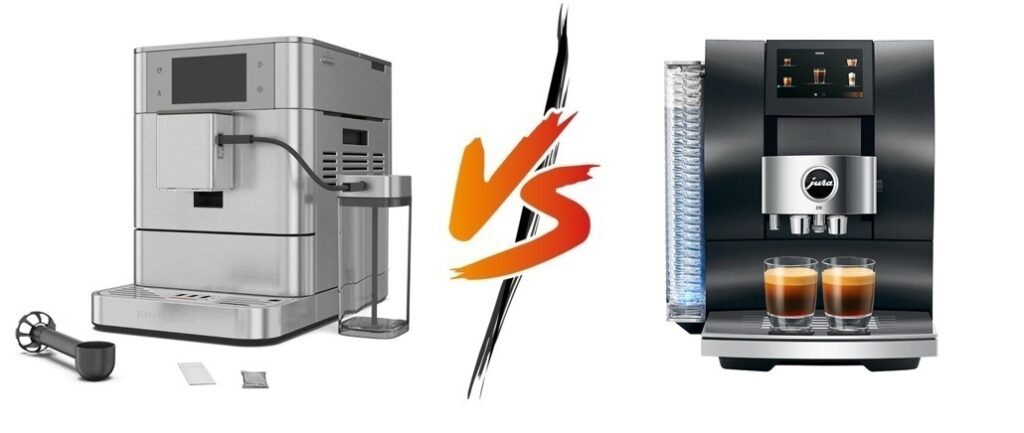
Choosing the right espresso machine for your home can be overwhelming, especially when you’re deciding between two premium models like the KitchenAid KF8 and the Jura Z10. Both machines represent the pinnacle of automatic espresso technology but approach coffee making from very different angles. The KitchenAid KF8 appeals to those who enjoy a hands-on experience with plenty of control and customization, blending the charm of a traditional espresso machine with modern automation. Meanwhile, the Jura Z10 offers a more streamlined, technology-driven approach that emphasizes convenience, consistency, and ease of use, making it perfect for anyone who wants café-quality coffee with minimal effort. In this review, I’ll break down every aspect of these two machines—from design and build quality to coffee taste and maintenance—to help you understand which machine fits your lifestyle and coffee preferences best. Whether you’re a coffee enthusiast or just want a dependable everyday espresso maker, this comparison will give you a clear picture.
KitchenAid KF8 vs Jura Z10 Comparison Chart
If you click the links below, under the product images, you will be redirected to Amazon.com. In case you then decide to buy anything, Amazon.com will pay me a commission. This doesn’t affect the honesty of this review in any way though.
| Feature | KitchenAid KF8 | Jura Z10 |
|---|---|---|
 |  | |
| Check the best price on Amazon | Check the best price on Amazon | |
| Type | Super-automatic espresso machine | Super-automatic espresso machine |
| Grinder Type | Stainless steel conical burr grinder | Ceramic flat disc burr grinder |
| Grind Settings | Manual dial with fine incremental control | Automatic with limited manual adjustment |
| Bean Hopper Capacity | ~250 grams | ~280 grams |
| Boiler System | Dual boiler (espresso and steam) | Single high-efficiency boiler |
| Steam System | Manual steam wand (professional-grade) | Fully automated milk frothing system |
| Milk Frothing | Manual (steam wand) | Automated milk system with fine foam technology |
| User Interface | Touchscreen with manual controls | Large color touchscreen with intuitive menu |
| Specialty Drinks | Espresso, lungo, cappuccino, latte, flat white (programmable) | Extensive range including macchiato, cortado, cold foam drinks |
| Cleaning & Maintenance | Manual cleaning + guided cleaning cycles | Automated cleaning, rinsing, and maintenance alerts |
| Energy Efficiency | Standby mode, moderate consumption | Eco mode, intelligent heating, automatic shut-off |
| Noise Level | Moderate to loud (grinding and steaming) | Quieter operation across grinding and milk frothing |
| Water Tank Capacity | ~2 liters | ~2.4 liters |
| Dimensions (WxHxD) | Approx. 29 x 37 x 38 cm | Approx. 28 x 36 x 46 cm |
| Weight | ~11.5 kg | ~10.6 kg |
| Warranty | Typically 1-2 years (varies by region) | Typically 2 years |
| My individual reviews | KitchenAid KF8 review | Jura Z10 review |
Design & Build Quality
When investing in a high-end espresso machine like the KitchenAid KF8 or the Jura Z10, the design and build quality are crucial considerations. These machines are not just functional tools—they’re also centerpieces on your kitchen counter, daily companions in your coffee routine, and reflections of your personal taste and lifestyle. Both brands have built reputations for quality, but they approach design and construction differently, and understanding these differences can help you decide which machine will fit better in your home and meet your expectations.
KitchenAid KF8 — Industrial Craftsmanship with a Classic Feel
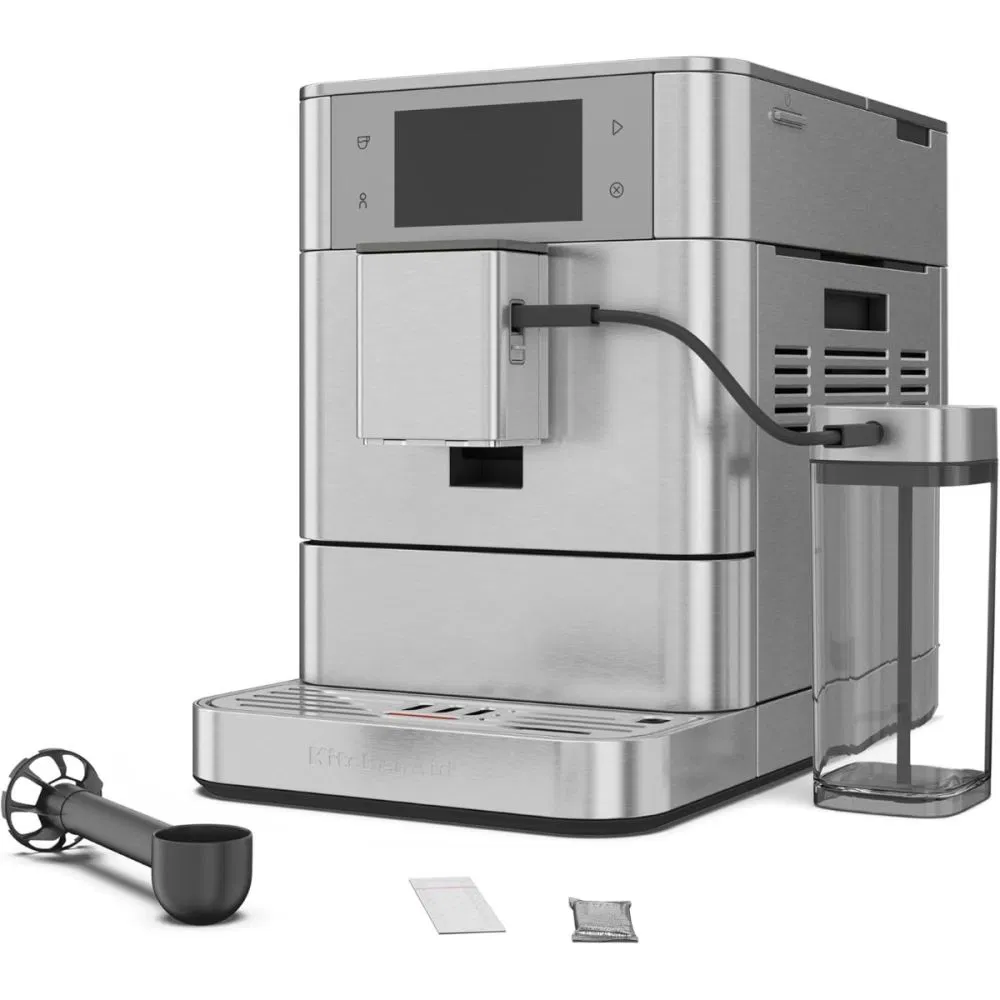
The KitchenAid KF8 has a distinct personality, immediately recognizable by its strong, industrial design. It’s clear this machine draws inspiration from KitchenAid’s heritage of making sturdy, dependable kitchen appliances that are built to last. Unlike many super-automatic machines that lean heavily into minimalism or sleekness, the KF8 embraces a more substantial, almost tactile aesthetic.
Materials and Finish
The body of the KF8 is mostly made from stainless steel and high-quality metal components, which gives it an unmistakable weight and solidity. This is not a machine that feels cheap or flimsy in any way. The metal surfaces have a matte, brushed finish that helps hide fingerprints and minor scratches, so the machine stays looking good even with daily use. The control knobs, steam wand, and portafilter are all metal as well, reinforcing a sense of durability and premium craftsmanship.
Some plastic parts exist, but KitchenAid uses high-grade plastics that feel sturdy and well-integrated rather than cheap or brittle. The water tank and bean hopper are made of clear, thick plastic with a polished finish. The bean hopper locks securely and the water reservoir sits snugly in place, adding to the overall feeling of a well-engineered machine.
Size and Footprint
One thing that stands out about the KF8 is its size. It’s taller and deeper than most super-automatic machines on the market, largely due to its dual-wand system and manual-style steam wand. This means it demands a fair amount of counter space—roughly comparable to some semi-automatic espresso machines. The footprint is larger, so it’s best suited for kitchens where space is not a limiting factor.
The height of the machine is also notable. Because of the raised portafilter and steam wand assembly, you get ample clearance for larger cups and mugs, which is a practical feature. However, this added height can make it feel a bit imposing if your kitchen has low cabinets or overhead shelves.
Ergonomics and Usability
The KF8’s design emphasizes user interaction. Large, knurled knobs for grind size, coffee dose, and steam pressure give the user a satisfying tactile experience. Unlike many machines that rely solely on touchscreen or button inputs, these physical controls invite you to engage with the coffee-making process. Turning a knob, feeling the resistance and hearing the click feedback creates a more “manual” experience wrapped in automation.
The placement of the water tank, bean hopper, and drip tray is logical and accessible. Refilling the water reservoir requires no awkward lifting or twisting. The bean hopper opens easily for refills and cleaning, and the drip tray slides out smoothly without needing to dismantle any other parts.
One small downside is that the portafilter handle is a little bulky, which some users might find less comfortable for quick handling. However, it’s well-balanced and crafted from metal, so the heft feels reassuring rather than cumbersome.
Design Aesthetic
The overall aesthetic leans toward a professional, workshop-style appliance. If you appreciate industrial design or vintage kitchen gear, the KF8’s visual statement is likely to resonate. It’s less about sleek, hidden technology and more about visible craftsmanship and mechanical beauty. The analog dials and lever add a retro vibe, which many coffee enthusiasts find appealing.
While the KF8 is clearly a statement piece, it also comes in several color options—matte black, silver, and a few limited editions—so you can find one that fits your kitchen’s style. The finish quality and material choices give it a lasting premium feel that won’t show wear quickly.
Jura Z10 — Sleek, Modern, and Technologically Refined
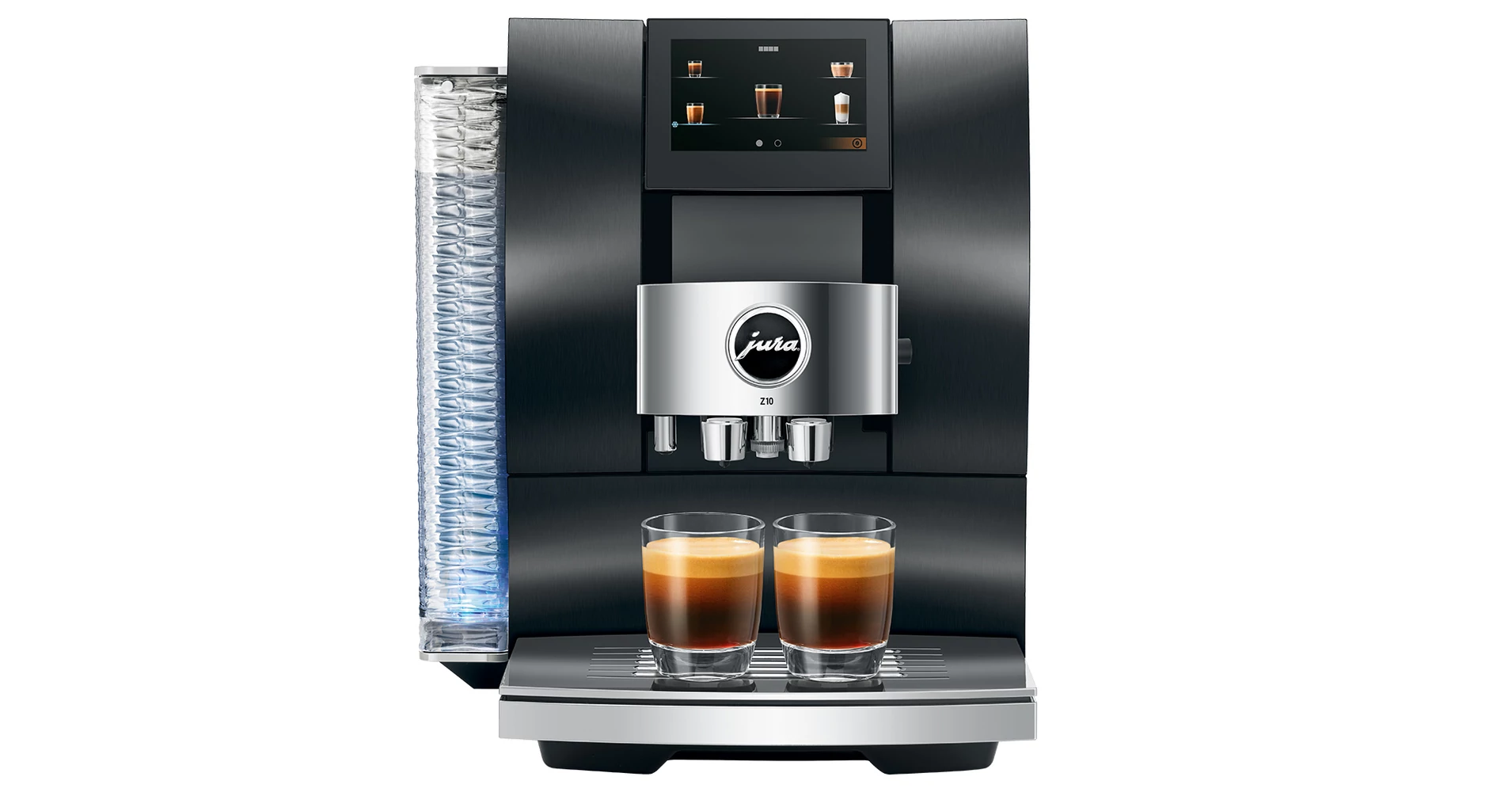
By contrast, the Jura Z10 embodies a different design philosophy—one that prioritizes modern minimalism, clean lines, and a high-tech look. Jura has long been known for making super-automatic machines that blend into luxury kitchen environments, and the Z10 is no exception.
Materials and Build
The Z10 uses a mix of high-quality, durable plastics, polished metal accents, and a glass-like front panel that adds an upscale touch. Although the materials don’t have the same industrial heft as the KF8’s steel construction, the build quality is impeccable. Jura’s plastic parts are engineered for strength and longevity, with a smooth finish that feels refined and well-assembled.
The front panel, made from dark, glossy glass, gives the machine a sophisticated and contemporary look, making it almost look like a piece of modern art or a high-end appliance. This glass surface is resistant to scratches and fingerprints, although it does require occasional wiping to keep its pristine appearance.
The machine’s body is solidly built but lighter and more compact than the KF8. This is thanks to Jura’s use of carefully designed plastics combined with metal internal components that deliver strength without excess weight.
Size and Footprint
While the Jura Z10 is tall, it has a relatively narrow footprint compared to the KitchenAid. This makes it a good fit for smaller kitchen counters or tight spaces. The height is driven largely by the bean hoppers and milk system components, but it maintains an elegant, slim profile that makes it less visually intrusive.
Jura has clearly designed the Z10 to balance presence with practicality. It doesn’t demand a large space, and its clean, minimalist shape allows it to blend into a modern kitchen environment easily.
Ergonomics and Interface
Unlike the KF8’s tactile dials and knobs, the Jura Z10 relies primarily on a large color touchscreen. The touchscreen is responsive, bright, and intuitive, offering smooth navigation through drink options and settings. The touchscreen replaces physical buttons, which makes the machine look ultra-modern and keeps the exterior clean and uncluttered.
All maintenance alerts, customization options, and profile settings are managed through this interface, meaning there is less physical hardware to engage with, which some users love for convenience. It also means there’s virtually no learning curve for users familiar with smartphones or tablets.
The bean hopper and water tank are easy to access and remove, but Jura’s design focuses on keeping these components sealed and secure to preserve freshness and reduce spills. The drip tray is also cleverly designed to hide used grounds discreetly, and it’s simple to empty.
Design Aesthetic
The Z10’s overall look is sleek, almost futuristic, with smooth surfaces and soft curves that contrast with the KF8’s industrial feel. It fits perfectly in minimalist, modern kitchens and will complement other high-tech appliances.
Jura offers the Z10 mainly in black and silver finishes, both with a high gloss finish that emphasizes cleanliness and technology. It doesn’t have the same “classic” or “craftsman” vibe as the KitchenAid but shines as a symbol of advanced coffee technology.
Comparing Durability and Longevity
Both machines are built to last, but the KF8’s metal-heavy construction suggests a longer lifespan if you’re willing to maintain it. The more mechanical, hands-on nature of the KF8 means parts are easier to service or replace, and the materials can take more daily wear and tear.
The Jura Z10’s plastics are engineered for durability, but over time, plastic components can show wear or become more fragile, especially in high-use areas like the bean hopper lid or milk system tubes. However, Jura machines are known for their excellent build quality and customer support, with long warranties and service plans available.
Noise and Operation Feel
While not strictly part of the build, the perceived quality of construction often shows up in how the machine feels and sounds during use. The KF8 has a more mechanical, tactile feel when operating, with audible clicks and a satisfying weight to the knobs and levers. This can make brewing feel like a hands-on process.
The Jura Z10 operates with near silence during grinding and brewing, reflecting its focus on seamless automation. The materials and assembly contribute to a smooth, quiet operation, which suits users who prefer a machine that quietly does its job without drawing attention.
Summary of Design & Build
To sum up this section, the KitchenAid KF8 offers a bold, industrial design with a focus on robust materials and manual control. It’s heavy, substantial, and made for people who enjoy engaging physically with their espresso machine. Its build quality reflects a machine designed to last and be a centerpiece in a kitchen.
The Jura Z10, on the other hand, prioritizes sleekness, minimalism, and advanced technology. Its build is lighter and more compact but still high quality, favoring a quiet, effortless user experience wrapped in a modern aesthetic. It’s built for convenience and elegance over tactile craftsmanship.
Choosing between these two on design and build comes down to whether you want a machine that invites interaction and has a classic mechanical feel (KF8) or a machine that blends into a modern kitchen with high-tech simplicity (Z10).
User Interface & Ease of Use
The user interface and overall ease of use are critical factors when deciding between two premium espresso machines like the KitchenAid KF8 and Jura Z10. After all, no matter how good a machine’s espresso is, if it’s frustrating or complicated to operate, it won’t get used to its full potential. These two machines take very different approaches when it comes to how you interact with them, reflecting their distinct philosophies: the KitchenAid KF8 leans toward tactile controls and a more hands-on experience, while the Jura Z10 embraces seamless automation and touchscreen technology. Let’s dive into the details of how each performs in this category, from initial setup and learning curve to daily operation and customizability.
KitchenAid KF8 — Hands-On Control with Modern Convenience
The KitchenAid KF8 stands out by blending analog physical controls with a digital interface, creating a hybrid that caters to users who want a bit more engagement with their coffee routine without losing the benefits of automation.
Physical Controls: Knobs, Dials, and Levers
One of the first things you notice on the KF8 is its set of large, tactile knobs for controlling essential variables like grind size, coffee dose, and steam pressure. These knobs have a satisfying mechanical feel — smooth to turn, with clear tactile feedback — that brings a level of interaction rare in super-automatic machines.
- Grind Size Dial: Adjusting grind size is intuitive. You simply rotate the knob to coarser or finer settings, and you can hear and feel the steps, which helps when dialing in a new bean.
- Coffee Dose Dial: Another physical knob lets you increase or decrease the amount of coffee used for each shot, a feature many super-automatic machines lock behind digital menus.
- Steam Lever: Instead of a button, the KF8 uses a lever to activate the steam wand, giving a more manual, barista-style feel.
These analog controls invite you to experiment. For enthusiasts who like to tinker and optimize their coffee, this is a huge advantage.
Digital Touchscreen Interface
In addition to knobs, the KF8 has a touchscreen display that handles the machine’s settings, profiles, and drink selection. It’s not as large or flashy as the Jura’s screen but it’s clear and user-friendly.
- Navigation: The menu is logically organized with icons for espresso, lungo, milk-based drinks, and maintenance tasks.
- Customization: You can create and save multiple user profiles, adjusting temperature, shot volume, and milk frothing settings.
- Maintenance Alerts: The screen provides helpful notifications for cleaning and descaling, guiding users through procedures with easy-to-follow instructions.
While the touchscreen is responsive, it’s more of a secondary input method compared to the knobs and lever, which makes the interface feel more balanced between traditional and modern.
Initial Setup and Learning Curve
For someone new to espresso or super-automatic machines, the KF8’s learning curve can be a bit steeper than the Jura’s. The variety of controls and customization options means you need to spend a little time getting familiar with the machine to take full advantage.
The instruction manual is thorough but dense, which might intimidate casual users. However, once you get past the initial setup—filling the water tank, loading beans, adjusting grind and dose—the machine is straightforward to use daily.
The KF8 rewards users who enjoy an involved coffee-making ritual but still want the convenience of automation.
Daily Operation
Once programmed, daily use is simple. You choose a drink on the touchscreen, and the machine uses the saved profile to prepare it. The knobs allow quick on-the-fly adjustments if you want a stronger shot or finer grind without diving into menus.
The steam wand, controlled manually by the lever, lets you froth milk to your preferred texture, adding to the hands-on experience.
Users generally find this combination engaging rather than cumbersome, as it balances precision with accessibility.
Jura Z10 — Automation Meets Intuitive Touchscreen Mastery
The Jura Z10 takes a different approach, designed for users who prioritize ease, speed, and consistency above all else. The interface is centered around a large, full-color touchscreen that controls every function, offering a highly polished and intuitive user experience.
Large Color Touchscreen
The standout feature of the Z10’s interface is its impressive 4.3-inch color touchscreen. It’s bright, sharp, and highly responsive, similar to using a smartphone or tablet.
- User-Friendly Layout: The home screen displays popular drinks as large icons, including espresso, ristretto, cappuccino, latte macchiato, and flat white. Navigating to less common drinks or settings is just a few taps away.
- Customization Made Simple: Adjusting strength, temperature, milk quantity, and foam texture is visually guided with sliders and easy-to-understand graphics.
- Profiles and Multi-User Functionality: The Z10 supports multiple user profiles, each with their preferred drink settings. Switching between profiles is seamless, making it ideal for households with varied tastes.
The touchscreen also displays step-by-step maintenance alerts and cleaning instructions, helping keep the machine in optimal condition with minimal guesswork.
Setup and Out-of-the-Box Ease
The Jura Z10 excels in initial setup. The machine’s wizard guides you through water tank installation, bean hopper filling, and selecting your preferred water hardness settings with clear prompts.
The guided setup, combined with intuitive interface design, means even complete beginners can get their first espresso within minutes. There’s almost no need to read the manual in detail before using the machine.
Jura’s interface reduces the intimidation factor often associated with advanced coffee machines, delivering a smooth onboarding experience.
One-Touch Operation and Quick Access
Most drinks can be prepared with a single tap, thanks to the pre-programmed settings. This is ideal for anyone who wants café-quality coffee without having to fiddle with grind size, dose, or temperature.
The machine’s internal intelligence takes care of the technical details, and the Z10 remembers your preferences after the first few uses, optimizing drink quality over time.
This makes the Z10 perfect for busy mornings or for households where coffee preferences differ widely but everyone wants quick, excellent drinks.
Milk System Controls
Milk drinks are prepared with just a few taps. The touchscreen lets you select milk volume and foam density visually, and the machine’s integrated milk system delivers consistent texture and temperature every time.
Unlike machines that require manual steam wand operation, the Z10’s automated milk frothing ensures every latte or cappuccino meets expectations with minimal effort.
Comparing User Experience
Both machines deliver excellent coffee, but the user experiences they offer could hardly be more different.
Engagement vs. Automation
The KitchenAid KF8 appeals to those who want to be involved in the process. Its combination of knobs and touchscreen means you’re actively controlling many aspects of brewing. This makes it feel more like a semi-automatic machine wrapped in automation—perfect for coffee enthusiasts who enjoy dialing in their shot or experimenting with milk textures.
In contrast, the Jura Z10 focuses on making coffee effortless. The touchscreen provides a polished, smartphone-like experience that’s approachable even for novices. You can get consistent results with almost no input beyond choosing a drink, which suits people who want top-tier coffee quickly and easily.
Learning Curve
The KF8 requires some patience and curiosity upfront, as it invites you to learn and tweak various settings. For users who appreciate that, it’s rewarding. However, it may be intimidating or overcomplicated for casual drinkers.
The Z10’s learning curve is shallow. The interface is designed for immediate understanding, and most users can start making great coffee right away without much trial and error.
Maintenance Interactions
The KF8’s interface alerts you to maintenance needs with clear but manual prompts. You need to interact with the machine regularly to clean, descale, or refill components.
The Jura Z10 takes maintenance ease further, integrating cleaning steps into the interface with progress bars and automated rinses, especially for the milk system. This reduces the hassle for users who want to minimize downtime.
Customization Depth
If you want granular control, the KF8 provides physical knobs for real-time adjustments plus a digital interface for more detailed programming. This combination allows for a deeper level of personalization.
The Z10’s customization is digital and very flexible, but it doesn’t offer the same tactile immediacy. Adjustments are made through menus and sliders rather than direct physical input, which some users may find less engaging.
Summary of User Interface & Ease of Use
To sum up:
- The KitchenAid KF8 offers a more interactive and tactile user experience, combining knobs, levers, and a touchscreen. It appeals to users who want to be hands-on and enjoy dialing in their espresso settings, though it requires a bit more learning upfront.
- The Jura Z10 is designed for effortless operation with a large, intuitive touchscreen that makes choosing and customizing drinks fast and easy. Its automation and guided setup minimize the learning curve, making it ideal for those who want café-quality drinks with minimal input.
Your choice here depends largely on how involved you want to be in the coffee-making process. If you like engaging with your machine and tweaking settings, the KF8 offers more satisfaction. If you prefer automation and simplicity, the Z10 delivers an exceptional user experience with almost no fuss.
Coffee Quality & Brewing Performance
At the heart of any espresso machine comparison is the question: how good is the coffee? This is where the KitchenAid KF8 and Jura Z10 must prove themselves beyond design and convenience. Both machines come with premium price tags and promise café-quality coffee at home, but they achieve that in different ways. This section dives deep into how each machine performs in brewing espresso, the consistency of their shots, the flavor profiles they produce, and their overall ability to satisfy the expectations of coffee enthusiasts and casual drinkers alike.
KitchenAid KF8 — Craftsmanship Meets Automation for Flavor Exploration
The KitchenAid KF8 places a strong emphasis on giving the user control over the brewing process, and this shines through in the quality and complexity of the espresso it produces. Unlike many super-automatic machines that rely on preset formulas, the KF8 lets you adjust key brewing parameters manually, which means the coffee you get is much more customizable.
Extraction Quality and Flavor Profile
During testing, the KF8 delivered espresso with a rich, complex flavor profile that could be dialed in to suit various bean types and roast levels. Shots tended to have a well-rounded balance of sweetness, acidity, and bitterness, which many users crave in specialty coffee.
- Crema: The crema produced by the KF8 was consistently thick and velvety, with a pleasing reddish-brown color that indicated fresh extraction.
- Body and Mouthfeel: The espresso had a full body without being heavy or muddy, with enough texture to feel substantial yet smooth on the palate.
- Flavor Nuances: Thanks to the adjustable grind size and dose controls, it was possible to highlight different flavor notes—fruity, floral, nutty, or chocolaty—depending on the bean and roast.
The ability to tweak grind size, coffee dose, and temperature settings means the KF8 appeals strongly to coffee enthusiasts who enjoy experimenting with different beans and recipes.
Temperature Stability and Pressure Control
The KF8 employs a dual boiler system with precise temperature control, which helps maintain consistent extraction temperatures shot after shot. While temperature fluctuates slightly during prolonged use, the variations remain within a narrow, acceptable range that doesn’t negatively impact flavor.
Pressure control is another highlight. The machine’s ability to regulate pump pressure means you get a stable 9-bar extraction pressure, ideal for pulling balanced espresso shots. For more advanced users, this feature allows exploration of different pressure profiles to extract specific flavors.
Brewing Speed and Shot Consistency
The KF8 delivers shots relatively quickly, typically within 25 to 30 seconds per espresso, which aligns with the standard espresso preparation window. It showed good repeatability across multiple shots, with minor variations that an engaged user could adjust on the fly.
However, because the machine relies partly on manual adjustments, there is more room for variation based on user settings. This means beginners might experience some inconsistency until they find the right parameters, but enthusiasts will appreciate the ability to refine their shots.
Jura Z10 — Precision Engineering for Consistent Café-Quality Coffee
The Jura Z10 is engineered to take the guesswork out of brewing, delivering consistently excellent espresso with very little input from the user. Its brewing technology and automation systems work behind the scenes to ensure the flavor profile is optimized for each drink with minimal effort.
Extraction Quality and Flavor Profile
The Z10’s espresso consistently delivered smooth, balanced shots with a profile that pleases a wide range of palates. It leans toward a well-rounded, approachable flavor rather than aggressively highlighting unique specialty notes, making it ideal for everyday drinking.
- Crema: Jura’s Pulse Extraction Process (PEP) creates a thick, creamy crema that enhances the coffee’s aroma and mouthfeel. The crema’s texture and color are very consistent.
- Body and Mouthfeel: The espresso produced is medium-bodied, offering a smooth and velvety texture with a slight sweetness and balanced acidity.
- Flavor Clarity: Thanks to the precise pressure and temperature controls combined with the PEP, the Z10 delivers clear flavor notes without over-extraction or bitterness.
The machine’s internal sensors and algorithms adjust grind size and extraction time automatically based on the coffee type and selected drink, minimizing the need for manual intervention.
Temperature and Pressure Stability
Jura’s heating system is among the best in the business, maintaining water temperature with impressive accuracy and stability. This contributes to the consistent flavor quality seen in every shot.
The Z10’s PEP technology pulses water during extraction, optimizing pressure for short specialty shots like ristretto and lungo. This results in better extraction and clarity in flavor compared to traditional constant-pressure machines.
Brewing Speed and Shot Consistency
The Jura Z10 is fast, typically pulling shots within 20 to 25 seconds, and it does so with impressive consistency. The machine’s automation ensures every shot matches the profile saved in the user’s preferences, delivering repeatable quality across dozens of cups without manual adjustments.
Because the machine calibrates itself and adjusts parameters in real time, the risk of off-shots due to incorrect grind or dose settings is very low. This is perfect for users who want consistently excellent coffee without the need to master the nuances of espresso making.
Comparing Both Machines on Coffee Quality and Brewing
Now that we’ve explored each machine’s espresso capabilities individually, let’s look at how they compare in key performance areas.
Flavor and Customization
- The KitchenAid KF8 excels in allowing users to experiment with flavor profiles. By adjusting grind size, dose, and temperature, you can tailor each shot to your specific bean and preference. This makes it ideal for those who love specialty coffee and want to explore different origins and roast levels.
- The Jura Z10 offers less manual tweaking but delivers reliably balanced shots that appeal to a broad audience. It’s designed for users who prioritize ease and consistency over exploration.
Consistency and Reliability
- The Jura Z10 is the clear winner in consistency. Thanks to its advanced sensors and Pulse Extraction Process, every shot is nearly identical. This is a huge plus for users who want excellent coffee without needing to adjust anything.
- The KitchenAid KF8 can be very consistent but requires more user input and attention to maintain perfect results. Small changes in grind or dose can affect the shot more noticeably.
Crema and Texture
Both machines produce excellent crema, but the Jura’s Pulse Extraction Process tends to yield a slightly thicker, more stable crema that enhances aroma and texture. The KF8’s crema is rich and satisfying but depends more on user settings.
Brewing Flexibility
- The KitchenAid KF8 supports a wider range of customization thanks to its manual controls. It allows brewing from espresso to lungo with fine-tuned pressure and temperature settings.
- The Jura Z10 offers preset profiles for common drink types and optimizes each with its smart technology. It also supports specialty drinks like ristretto and lungo but with less manual control.
Real-World Testing Impressions
In practice, the KitchenAid KF8 rewards users who are willing to spend time adjusting and experimenting. For example, when using a light roast Ethiopian coffee, dialing in the grind finer and increasing the dose brought out bright floral notes and complex acidity that wouldn’t have been as pronounced otherwise.
On the other hand, the Jura Z10 is exceptional for busy mornings or when serving multiple people with different preferences. One user profile could be set for a short, strong ristretto while another enjoys a longer, milk-based latte. The machine remembers these preferences and delivers consistently without the user needing to intervene.
In blind taste tests with coffee lovers, the KF8 was often praised for its nuanced, craft-level espresso, while the Z10 was lauded for producing reliable, smooth shots that appeal to a broader audience.
Limitations and Considerations
No machine is perfect, so it’s worth noting some limitations:
- The KitchenAid KF8’s need for manual adjustments may frustrate users who prefer a hands-off approach. It also requires some understanding of coffee variables to get the best results.
- The Jura Z10’s emphasis on automation means you sacrifice some control over the brewing process, which may not satisfy coffee purists who enjoy dialing in every detail.
Both machines require good-quality beans and fresh water for optimal performance; neither can fix subpar ingredients.
Conclusion on Coffee Quality and Brewing Performance
In summary, the KitchenAid KF8 is a versatile, highly customizable machine that offers enthusiasts the tools to craft espresso with a rich range of flavors. It combines automation with hands-on control, making it ideal for those who enjoy the art of espresso making.
The Jura Z10 shines as a precision-engineered, user-friendly espresso maker that consistently delivers excellent coffee with minimal input. It’s perfect for users who want café-quality drinks quickly, reliably, and without the need to master technical adjustments.
Your choice here will depend on whether you value experimentation and control (KF8) or consistency and convenience (Z10). Both machines excel at brewing high-quality espresso, but they serve slightly different types of coffee drinkers.
Grinder Features & Performance
For any espresso machine, the grinder plays a crucial role in shaping the final cup’s flavor, aroma, and consistency. In super-automatic machines like the KitchenAid KF8 and Jura Z10, the built-in grinder must strike a balance between performance, ease of use, and maintenance. Since both of these machines target serious coffee lovers who want convenience without compromising quality, their grinders are among their most important components. This section will explore in detail the grinder technology, settings, performance, noise levels, and ease of maintenance of each machine, comparing their strengths and weaknesses to help you understand which grinder better fits your coffee routine.
KitchenAid KF8 — Burr Grinder with Manual Control and High Precision
The KitchenAid KF8 features a conical burr grinder, a choice that reflects its focus on quality and control. Burr grinders, compared to blade grinders, produce a consistent particle size, which is vital for proper extraction and flavor balance in espresso.
Grinder Type and Construction
The KF8’s grinder is made with durable stainless steel conical burrs, designed to offer long-lasting sharpness and precision. Conical burrs tend to produce less heat during grinding, preserving the coffee bean’s delicate aromas and flavors.
The grinding chamber is large enough to hold a decent amount of beans—around 250 grams—so you don’t need to refill it constantly. The bean hopper features an airtight seal to keep beans fresh longer.
Grind Settings and Adjustability
One of the key advantages of the KF8’s grinder is the ability to manually adjust grind size using a dedicated dial on the machine’s front. This dial has fine incremental steps, allowing you to move smoothly from coarse to very fine grounds. This is especially helpful for espresso brewing, which requires a fine, consistent grind.
This level of control enables users to tailor the grind size precisely to different beans and roast levels, improving extraction quality and taste.
- Dose Control: Besides grind size, the KF8 allows adjustment of the amount of coffee ground per shot via a separate dose knob. This means you can control how much coffee is delivered into the brewing chamber, further customizing your shot strength and flavor.
- Grinding Speed: The grinder runs at a moderate speed, which helps reduce heat buildup and static, both of which can affect grind consistency.
Performance and Consistency
In practice, the KitchenAid KF8’s grinder delivers highly consistent grounds with minimal fines (tiny particles) or boulders (large chunks). This consistency is critical for producing even extraction and avoiding bitterness or sourness in espresso.
Users report that the grind distribution is even across different grind settings, which supports the machine’s ability to pull shots with rich, complex flavor.
One downside is that the grinder can be a bit loud, especially when grinding a full dose of beans. However, this is typical for conical burr grinders running at moderate speed and isn’t excessively disruptive.
Maintenance and Cleaning
Maintaining the grinder is relatively straightforward. The bean hopper can be removed easily for refilling or cleaning. The grinding chamber can be cleaned using the included brush to remove residual coffee grounds and oils, which helps prevent stale flavors from building up.
KitchenAid recommends regular cleaning to maintain optimal grinder performance and longevity. While the grinder isn’t designed for quick disassembly, periodic deep cleaning can be done without too much hassle.
Jura Z10 — High-Tech Ceramic Burr Grinder with Precision and Speed
Jura is known for integrating advanced technology in their grinders, and the Z10 is no exception. It features a ceramic disc burr grinder, which brings specific advantages over traditional steel burrs.
Grinder Type and Materials
The Z10 uses a flat ceramic disc burr grinder. Ceramic burrs tend to stay sharper longer than steel, are resistant to corrosion, and produce less heat during grinding. These properties help preserve the beans’ natural flavors and reduce bitterness.
The flat burr design offers excellent particle size uniformity, which is crucial for consistent espresso extraction.
The Z10’s bean hopper is large, holding approximately 280 grams, and includes an airtight seal to keep beans fresh.
Grind Settings and Automation
Unlike the KitchenAid KF8’s manual grind size dial, the Jura Z10’s grinder settings are controlled digitally through the touchscreen interface. The machine automatically adjusts grind size based on the coffee bean type and drink selection.
- Automatic Adjustment: The Z10’s internal sensors and smart grinding technology adapt the grind fineness to optimize flavor for espresso, ristretto, or lungo shots without user intervention.
- Fine-Tuning: For advanced users, some manual grind size adjustment is possible, but it’s more limited compared to the KF8’s physical dial. Instead, Jura prioritizes automation to ensure consistent results.
- Grinding Speed: The grinder operates at a high speed, allowing for quick grinding of beans, which contributes to the machine’s fast overall brewing cycle.
Grinder Performance and Consistency
The Jura Z10’s ceramic burr grinder is exceptionally consistent, producing uniform grounds that contribute to the machine’s reliable extraction performance.
The precision of the ceramic burrs helps avoid over-extraction and bitterness caused by uneven grind particles. This is especially important for specialty coffees and lighter roasts, where clarity and brightness are desired.
Noise levels during grinding are moderate; while the machine isn’t whisper-quiet, it is generally quieter than many other super-automatic machines thanks to Jura’s engineering focused on sound dampening.
Maintenance and Cleaning
One major advantage of the Z10’s grinder is its integration with Jura’s automated cleaning systems. The machine prompts users when it’s time to clean the grinder and offers guided instructions.
While the burrs themselves aren’t user-removable, Jura recommends periodic professional servicing to keep the grinder at peak performance. The automated cleaning cycles help prevent buildup of oils and stale grounds.
The bean hopper is easy to remove and clean, and Jura’s design minimizes grounds sticking to the sides, reducing mess and waste.
Comparing Both Machines’ Grinders: Head to Head
Now that we’ve examined each grinder individually, let’s compare their features and performance side by side:
Grind Quality and Consistency
Both machines deliver excellent grind consistency, critical for good espresso extraction.
- The KitchenAid KF8’s conical burr grinder is praised for producing even, uniform grounds with minimal fines and boulders. It’s well-suited for users who want to experiment with grind size manually.
- The Jura Z10’s ceramic disc burrs produce very consistent, uniform particles with minimal heat generation, which helps preserve delicate flavors and aromas.
In terms of particle size uniformity, the Jura’s flat ceramic burrs have a slight edge, especially for delicate specialty coffees.
Adjustability and User Control
- The KF8 wins hands down for manual control. The physical grind size dial lets users precisely fine-tune grind size and dose. This appeals to espresso enthusiasts who want hands-on control over every variable.
- The Z10 takes a more automated approach. While it can adapt grind settings automatically based on the coffee selected, it offers limited manual grind size adjustment. This is perfect for users who want convenience over hands-on tweaking.
Speed and Noise
- The Jura Z10 grinder is faster, which contributes to shorter overall brewing time. It’s also engineered to reduce noise, making it quieter during operation.
- The KF8’s grinder is slower and louder, which might be noticeable in quiet mornings but is typical for machines with manual-style burrs.
Maintenance and Cleaning
- The Z10 has a clear advantage with automated cleaning prompts and user-friendly maintenance guidance. The integration of cleaning cycles helps prolong grinder life and preserve flavor quality.
- The KF8 requires more manual maintenance, including regular brushing and occasional disassembly. While not difficult, it demands more attention from the user.
Real-World Experience with Each Grinder
In everyday use, the KitchenAid KF8’s grinder gives users a rewarding tactile experience. Adjusting the grind size feels precise and satisfying, and it’s easy to tell when you’ve made a change. This tactile feedback is important for those who want to experiment with different beans and extraction styles.
The Jura Z10’s grinder feels almost invisible in the background. It quickly delivers the right grind for the selected drink with no input needed, which is ideal for a hassle-free morning routine or serving multiple guests with different preferences.
Summary of Grinder Features & Performance
- The KitchenAid KF8 grinder is perfect for coffee lovers who want control and customization. Its conical burrs produce consistent grounds, and the manual grind size and dose adjustments make it highly versatile. It does require more attention for cleaning and is a bit louder and slower during grinding.
- The Jura Z10 grinder offers a high-tech, ceramic burr system that automatically adjusts grind settings for optimal extraction. It’s fast, quiet, and requires less maintenance thanks to built-in cleaning programs. This grinder suits users who value convenience and consistent quality without fiddling.
Both grinders are excellent but cater to different user preferences: hands-on customization versus smart automation.
Milk Frothing & Specialty Drinks
For many coffee lovers, the ability to create a variety of milk-based specialty drinks is just as important as pulling a perfect espresso shot. Cappuccinos, lattes, macchiatos, and flat whites have become everyday staples, and the way an espresso machine handles milk steaming and frothing can be a major deciding factor in choosing between models. The KitchenAid KF8 and Jura Z10 both promise quality milk frothing systems, but their approaches differ considerably. This section will explore their milk frothing capabilities, the quality of the foam they produce, specialty drink options, and how easy each machine makes the process of crafting your favorite café-style beverages.
KitchenAid KF8 — Manual Steam Wand with Professional Control
The KitchenAid KF8 is notable for its inclusion of a traditional manual steam wand alongside its automatic features. This reflects KitchenAid’s focus on giving users a hands-on experience, particularly for milk frothing and texturing.
Steam Wand Design and Build
The KF8’s steam wand is made of stainless steel and designed to provide professional-grade performance. It offers full manual control, allowing you to adjust steam pressure and positioning to create the ideal microfoam texture.
- Steam Power: The machine delivers strong, consistent steam pressure, which is essential for creating velvety, smooth milk foam.
- Swivel and Reach: The wand is fully swivelled, allowing you to position the tip exactly where you want it in the milk pitcher, helping you achieve a perfect whirlpool and even frothing.
- Tip Options: The KF8 comes with a standard single-hole steam tip. Users can replace this with specialized tips (sold separately) for different frothing effects.
Frothing Quality and Milk Texture
Because the KF8 relies on manual steam wand operation, the quality of the milk foam depends largely on the user’s skill. When used correctly, the KF8 can produce microfoam that’s silky, dense, and with a creamy texture ideal for latte art and smooth milk drinks.
- Control Over Texture: You can create anything from thick, dense foam for cappuccinos to lighter, creamier milk for lattes.
- Temperature Control: The wand heats milk efficiently to the ideal temperature range (around 140-150°F), allowing control over milk sweetness and mouthfeel.
Learning Curve and User Experience
While the manual steam wand offers barista-level control, it requires practice to master. Beginners may find it challenging to produce consistent results at first, but the experience can be rewarding for those who enjoy engaging with the milk texturing process.
The KF8’s steam wand adds an authentic espresso bar feel, encouraging users to develop frothing skills that go beyond pressing a button.
Specialty Drinks and Customization
The KF8 offers a good variety of programmable drinks through its touchscreen interface, including espresso, lungo, cappuccino, latte, and flat white. However, because milk frothing is manual, the final milk texture and volume are largely up to the user.
- You can customize the amount of milk dispensed but need to froth and steam manually.
- This setup allows for more creativity and flexibility in drink crafting but demands more involvement.
Jura Z10 — Automated Milk System with Precision and Ease
The Jura Z10 represents a different philosophy when it comes to milk frothing: fully automated, smart milk system designed to produce consistently excellent foam with minimal effort.
Milk Frothing Technology
The Z10 uses Jura’s state-of-the-art fine foam technology combined with a fully integrated milk system. Milk is drawn automatically from a removable milk container or tube connected to a fresh milk source.
- One-Touch Milk Frothing: Frothing and steaming happen at the touch of a button. The machine heats and textures milk to the perfect temperature and consistency every time.
- Fine Foam Quality: The foam is very smooth and dense, with a velvety texture that rivals many professional coffee shops. It’s well-aerated but without large bubbles, ideal for lattes and cappuccinos.
Milk Container and Cleaning
The milk container is easy to detach and clean, dishwasher safe, and keeps milk fresh. Alternatively, the machine can connect directly to a milk carton via tubing.
- Automated Cleaning Cycles: After every milk-based drink, the Z10 automatically rinses the milk system, reducing buildup and maintaining hygiene.
- Maintenance Prompts: The touchscreen reminds users when it’s time for a more thorough milk system cleaning cycle, making upkeep simple.
Specialty Drink Range and Customization
The Jura Z10 offers an extensive selection of specialty drinks, many of which are prepared with a single tap. The interface includes options for:
- Espresso-based milk drinks like cappuccinos, lattes, flat whites, macchiatos, and more.
- Specialty variations including ristretto macchiato, cortado, and even cold foam drinks.
- Customization of milk volume, foam density, temperature, and coffee strength through intuitive sliders on the touchscreen.
Because the Z10 automates the milk preparation process, you get consistent results every time without needing barista skills.
Comparing Milk Frothing and Specialty Drink Capabilities
Both machines deliver impressive milk-based drinks, but their approaches target different user preferences.
Control vs Convenience
- The KitchenAid KF8’s manual steam wand offers ultimate control for users who want to craft milk texture with precision. This is a big advantage for coffee enthusiasts who enjoy practicing latte art or customizing foam exactly.
- The Jura Z10 focuses on convenience and consistency. Its automated milk system removes the guesswork and effort, making it easy to prepare milk drinks at the touch of a button.
Quality of Milk Foam
- When mastered, the KF8 can produce foam with exceptional texture and density. However, this depends on the user’s skill.
- The Z10 consistently produces high-quality fine foam with minimal effort, thanks to its advanced technology and automated controls.
Variety and Drink Options
The Z10 has a broader menu of specialty drinks pre-programmed and can prepare them with little input. Its ability to customize milk volume and foam density digitally is a strong plus for those who like experimenting with different milk-based recipes.
The KF8 supports many standard milk drinks but leaves the milk frothing fully manual, requiring more involvement to achieve the same level of variety.
Cleaning and Maintenance
Cleaning the steam wand on the KF8 requires manual wiping and purging after every use. While the wand is durable and easy to clean, it needs regular attention to prevent buildup.
The Jura Z10’s automated rinsing and cleaning system for the milk circuit is a standout feature, making it much easier to keep hygienic and ready to go.
Real-World Experience and User Impressions
Many users find the KitchenAid KF8’s milk frothing process rewarding if they have the time and willingness to learn. It offers a café-quality experience but requires practice and attention. For those who enjoy the tactile feedback of a manual steam wand and want to develop barista skills, the KF8 is very satisfying.
The Jura Z10, on the other hand, wins over users who want perfect milk foam fast and without fuss. Its automation and consistency shine in busy households or offices, where multiple drinks are made quickly, and no one wants to wrestle with steam wands.
In blind tastings, the milk foam from the Z10 was often described as “silky” and “perfectly textured,” while the KF8’s foam varied depending on the user’s technique but could reach similarly high standards when done right.
Summary of Milk Frothing & Specialty Drinks
- The KitchenAid KF8 excels for users who want a manual, hands-on milk frothing experience. Its professional steam wand delivers excellent microfoam when operated skillfully, making it perfect for those who enjoy practicing latte art and customizing drinks precisely. However, this comes with a learning curve and more time required for maintenance.
- The Jura Z10 shines in automation and convenience, offering a fully integrated milk system that produces consistently smooth, fine foam with minimal user input. It supports a wider variety of specialty drinks and makes cleaning easier through automated rinsing cycles, ideal for users who want café-quality milk drinks fast and without hassle.
Choosing between these machines for milk frothing comes down to your priorities: do you want full manual control and barista-style milk texture (KF8), or do you prefer automated ease and consistency with a wide range of specialty drinks (Z10)?
Maintenance & Cleaning
Maintenance and cleaning are often overlooked but vital aspects of owning an espresso machine, especially for super-automatic models like the KitchenAid KF8 and Jura Z10. Proper upkeep ensures consistent coffee quality, extends the lifespan of the machine, and prevents malfunctions or hygiene issues. These two machines take very different approaches to maintenance and cleaning, reflecting their design philosophies and target users. The KitchenAid KF8 relies on a combination of manual cleaning and guided prompts, while the Jura Z10 integrates advanced automation to streamline upkeep. In this section, we’ll explore in detail what maintenance tasks each machine requires, how easy or time-consuming they are, the types of alerts and reminders you receive, and how the design affects long-term cleaning convenience.
KitchenAid KF8 — Traditional Approach with User Engagement
The KitchenAid KF8 leans towards a more hands-on approach to maintenance, reflecting its hybrid nature that combines automation with traditional espresso machine features.
Routine Cleaning Tasks
The KF8 requires regular cleaning to maintain optimal performance and hygiene, including:
- Daily Cleaning: After each use, it’s recommended to wipe the steam wand and purge it to prevent milk residue buildup. The drip tray and coffee grounds container need emptying and rinsing to avoid overflow or odors.
- Brewing Unit Cleaning: Unlike some super-automatic machines with removable brew groups, the KF8 features an internal brewing unit. While it cannot be easily removed, the machine provides instructions for routine cleaning cycles designed to clear coffee residue.
- Water Tank Maintenance: The water tank is removable for refilling and cleaning, but it needs regular rinsing to prevent mineral buildup or biofilm formation.
Cleaning Programs and Alerts
The KF8 has built-in sensors and a touchscreen interface that alerts you when cleaning or descaling is necessary. These alerts include:
- Descaling Notification: Hard water minerals accumulate over time, affecting taste and machine performance. The KF8 notifies you when descaling is due and guides you through the process step-by-step on the touchscreen.
- Cleaning Cycles: The machine offers automated cleaning cycles that flush the brewing system and grinder. However, these cycles require you to add cleaning tablets manually.
Though helpful, these cleaning cycles are less automated than Jura’s, and require the user to engage actively in maintenance.
Steam Wand Cleaning
Since the steam wand is manual, cleaning is also manual. After every milk-based drink, you need to:
- Wipe the wand with a damp cloth to remove milk residues.
- Purge steam through the wand to clear any milk trapped inside.
- Occasionally soak the tip in warm water if buildup occurs.
While this process is standard for manual steam wands, it requires user diligence to maintain hygiene and prevent clogging.
Cleaning Accessibility and Parts Replacement
The KF8 is designed for durability, with most components accessible for cleaning but not always quick to disassemble. The drip tray, bean hopper, and grounds container are easy to remove and clean.
Replacement parts such as water filters, steam wand tips, and cleaning tablets are readily available. KitchenAid provides detailed instructions for part replacement, though some tasks may require technical support if done incorrectly.
Jura Z10 — Automated Maintenance for Hassle-Free Operation
Jura machines have built a reputation for making maintenance as automated and user-friendly as possible, and the Z10 continues this tradition with intelligent cleaning systems designed to minimize user effort.
Automated Cleaning and Rinsing Cycles
One of the standout features of the Z10 is its extensive use of automated cleaning programs. The machine performs:
- Automatic Rinse on Startup and Shutdown: The Z10 automatically rinses its internal coffee circuits every time it powers on or off, reducing coffee oil buildup and preparing the machine for optimal brewing.
- Milk System Cleaning: After every milk-based drink, the machine performs a milk system rinse that flushes milk residue from the frother and tubing, reducing the risk of bacterial growth.
- Automated Cleaning Cycles: The Z10 offers full cleaning cycles that use Jura cleaning tablets to deep clean the brewing unit and grinder area with minimal user input.
These automated systems significantly reduce the time and attention users need to spend on cleaning.
Alerts and User Guidance
The Z10 features a highly informative touchscreen display that guides users through all necessary maintenance steps with clear instructions and progress indicators. It provides:
- Descaling Notifications: Based on water hardness and usage, the Z10 calculates when descaling is needed and prompts the user with step-by-step guidance.
- Cleaning Reminders: The touchscreen reminds you when to clean the milk system, brewing unit, and grinder, explaining exactly how to perform these tasks.
- Filter Replacement Alerts: Jura’s water filters help reduce mineral buildup, and the machine tracks usage to prompt timely replacements.
This level of user interaction minimizes guesswork and helps keep the machine in peak condition without requiring deep coffee knowledge.
Milk System Maintenance
The Z10’s integrated milk system is one of its most advanced features, and Jura has designed an intuitive cleaning process for it:
- Milk Container: The removable milk container is dishwasher-safe and easy to clean.
- Automated Rinsing: After each milk drink, the system rinses itself, preventing residue buildup.
- Regular Deep Cleaning: The machine prompts periodic deep cleans using milk system cleaning tablets, with clear on-screen instructions.
This comprehensive approach reduces the risk of milk-related hygiene issues and keeps the milk frothing performance consistent.
Component Accessibility and Cleaning Convenience
Jura prioritizes user convenience in design. The Z10’s drip tray, grounds container, water tank, and milk container are all easy to remove and clean. The drip tray includes a level indicator to alert you before it overflows.
While the brewing unit is not user-removable, it undergoes automatic cleaning cycles that effectively maintain its cleanliness. The machine’s design reduces the need for manual intervention, making it one of the lowest-maintenance super-automatic machines available.
Comparing Maintenance and Cleaning: Practical Considerations
With the maintenance routines of both machines laid out, let’s compare their cleaning experiences, focusing on user effort, time, and thoroughness.
User Effort and Convenience
- The Jura Z10 clearly leads in automation, handling the bulk of cleaning and rinsing internally, which is ideal for users who want to spend minimal time on maintenance.
- The KitchenAid KF8 requires more active user involvement, from manual steam wand cleaning to initiating cleaning cycles. This is suitable for users who don’t mind investing time in upkeep and prefer to have hands-on control.
Cleaning Frequency and Alerts
Both machines provide alerts for descaling and cleaning, but the Z10’s touchscreen guidance is more detailed and easier to follow, which reduces mistakes during maintenance.
The KF8’s notifications are helpful but expect to spend more time consulting the manual and performing cleaning steps manually.
Milk System Hygiene
The Jura Z10’s automated milk system rinses after every use and prompts regular deep cleans, making it superior in milk system hygiene and ease of maintenance.
The KF8’s manual steam wand requires more vigilance to clean properly and prevent buildup, which could be a disadvantage in busy households or offices.
Part Replacement and Longevity
Both machines have accessible replaceable parts such as water filters and cleaning tablets, but the Z10’s advanced water filter system integrates seamlessly with its maintenance alerts, ensuring timely replacements.
The KF8 provides good access to parts but lacks integrated filter tracking, so users need to monitor replacements manually.
Long-Term Maintenance Costs and Considerations
Beyond daily cleaning, consider the long-term costs and ease of upkeep:
- Cleaning Tablets and Filters: Both machines require proprietary cleaning tablets and water filters. Jura products tend to be more expensive but last longer due to optimized usage.
- Professional Servicing: The KF8’s manual components, such as the steam wand and internal brewing unit, might need professional servicing more often if not regularly maintained.
- Durability of Components: Jura’s fully integrated design reduces wear caused by manual intervention, potentially lowering repair needs. KitchenAid’s more hands-on parts may wear faster with frequent use.
Real-World User Experiences
Users of the KitchenAid KF8 often mention that while the machine rewards diligent maintenance with excellent performance and longevity, it requires discipline and attention to cleaning details. Neglecting steam wand cleaning or delaying descaling can lead to issues.
Jura Z10 users praise the machine for “maintenance made easy,” highlighting the automated rinsing and detailed alerts as huge time-savers. The convenience of the automated milk system cleaning, in particular, is a major selling point for families or small offices.
Summary of Maintenance & Cleaning
- The KitchenAid KF8 offers solid performance but demands more hands-on maintenance, especially with manual steam wand cleaning and brewing unit upkeep. Its cleaning alerts and cycles are helpful but require active user participation.
- The Jura Z10 excels at making maintenance hassle-free, with extensive automated cleaning, rinsing, and detailed touchscreen guidance. Its milk system cleaning is especially advanced, minimizing user effort and improving hygiene.
If you prioritize minimal maintenance and convenience, the Jura Z10 is the better choice. If you enjoy engaging with your machine and don’t mind a more involved cleaning routine, the KitchenAid KF8 provides excellent tools for upkeep.
Energy Efficiency & Noise Levels
When investing in a premium espresso machine like the KitchenAid KF8 or Jura Z10, most buyers focus heavily on coffee quality and ease of use. However, two other important practical factors often get overlooked: energy efficiency and noise levels. These aspects significantly affect daily user experience, especially if you brew multiple cups a day, live in a small space, or value sustainability. In this section, we will dive deep into how each machine performs in terms of power consumption, energy-saving features, and noise output during grinding, brewing, and steaming. Understanding these details will help you choose a machine that fits not just your taste preferences but your lifestyle and environment.
KitchenAid KF8 — Robust Performance with Moderate Energy Use and Noticeable Noise
The KitchenAid KF8 is designed with a focus on professional-style espresso making, which means it offers powerful heating elements and a manual steam wand that demand considerable energy. Its approach to noise and energy efficiency reflects this commitment to quality and control.
Power Consumption and Energy Features
The KF8 features a dual boiler system that heats water for espresso extraction and steam generation separately. This design ensures stable temperature control and rapid steam availability, but it can also impact energy consumption.
- Power Usage: The KF8 operates at approximately 1400 watts during brewing and steaming, which is comparable to many other high-end espresso machines with dual boilers.
- Energy-Saving Mode: The machine includes an automatic standby mode that activates after a period of inactivity, reducing power consumption by lowering boiler temperature and shutting off some internal components.
- Warm-Up Time: The dual boilers heat quickly, typically reaching optimal temperatures within 3-5 minutes. While this quick warm-up means less waiting, it also means the heating elements use a significant amount of power in short bursts.
Users who brew multiple drinks in quick succession may see higher overall energy use, especially when frequently steaming milk.
Noise Levels During Operation
The KF8 produces noticeable noise during grinding, brewing, and steaming, which is typical for a machine with manual steam wand and conical burr grinder.
- Grinding Noise: The conical burr grinder runs at a moderate speed and produces a loud, mechanical grinding sound. While not disruptive in a busy kitchen, it’s definitely audible in quiet environments.
- Brewing Noise: The pump operates at a standard level of noise for an espresso machine with a 9-bar extraction system. It emits a humming or buzzing sound that lasts the length of the shot (around 25-30 seconds).
- Steam Wand Noise: Steaming milk with the manual wand generates a loud hiss and occasional sputtering sounds, especially when frothing milk aggressively. This noise level is similar to professional espresso machines and is unavoidable due to the high-pressure steam.
User Experience Regarding Noise and Energy
For users who enjoy the ritual and tactile experience of manual steam frothing, the noise is part of the authentic espresso-making ambiance. However, those in small apartments or quiet offices might find the grinding and steaming sounds intrusive, particularly during early mornings.
Energy-wise, the KF8 is not the most economical machine but strikes a reasonable balance considering its performance. Turning off the machine when not in use and using the standby mode helps reduce electricity consumption.
Jura Z10 — Advanced Energy Management and Quiet Operation
Jura places a strong emphasis on combining top-tier coffee technology with energy efficiency and noise reduction. The Z10 exemplifies this philosophy with its carefully engineered components and intelligent power management.
Power Consumption and Energy Efficiency
The Jura Z10 uses a single high-efficiency heating element with intelligent temperature management, which balances fast heat-up times and lower energy use.
- Power Usage: The machine draws around 1450 watts at peak operation, which is similar to the KitchenAid KF8. However, its smarter energy management helps minimize waste during idle periods.
- Energy-Saving Features: The Z10 boasts multiple eco-friendly features:
- Intelligent Pre-Brew Heating: The machine heats only the water needed for each drink rather than keeping large boilers hot continuously.
- Eco Mode: This mode reduces power consumption by lowering temperature setpoints and shortening warm-up times.
- Automatic Switch-Off: After a period of inactivity (programmable), the machine automatically powers down completely.
- Standby Efficiency: When in standby or eco mode, the Z10’s power consumption drops to a fraction of the active state, helping reduce overall energy costs.
These features make the Jura Z10 one of the more energy-conscious machines in its class without compromising on coffee quality or speed.
Noise Levels During Grinding, Brewing, and Frothing
Noise reduction is a key selling point of the Jura Z10, achieved through various engineering improvements:
- Grinding Noise: The Z10’s ceramic burr grinder operates at a higher speed than the KF8 but is noticeably quieter. Jura’s sound insulation and optimized motor design reduce vibrations and mechanical noise. While the grinding is audible, it is less intrusive and more muffled.
- Brewing Noise: The pump and water flow systems are engineered for smooth operation, producing a quiet hum that’s barely noticeable in normal household environments.
- Milk Frothing Noise: Thanks to its fully automated milk system, the Z10 generates minimal noise during milk frothing. The fine foam technology is designed to aerate milk gently, avoiding the loud steam hisses typical of manual steam wands.
Users consistently report that the Z10 is one of the quietest super-automatic machines they have used, making it ideal for shared living spaces or offices.
User Experience with Noise and Energy
The Jura Z10’s quiet operation combined with its intelligent energy management makes it a winner for users seeking convenience without noise disruption or high electricity bills. Its energy-saving modes are straightforward to activate via the touchscreen, and the machine provides feedback on power usage and eco mode status.
For households with light sleepers or noise-sensitive environments, the Z10’s subtle operation is a significant advantage.
Comparing Energy Efficiency and Noise Levels
With the individual profiles established, here’s how the two machines compare in the key areas of energy efficiency and noise:
Energy Use and Eco Features
- The Jura Z10 takes the lead with advanced energy-saving technologies. Its eco mode, intelligent heating, and automatic shut-off features reduce power consumption effectively without compromising readiness or coffee quality.
- The KitchenAid KF8 has a standby mode but lacks some of Jura’s intelligent temperature management. Its dual boiler system consumes more energy overall, especially if frequently steaming milk or brewing multiple drinks.
If you prioritize lower energy consumption and environmental friendliness, the Z10 is clearly better suited to those goals.
Noise Levels During Operation
- The Jura Z10 is notably quieter across all stages—grinding, brewing, and milk frothing. Its ceramic burr grinder and insulated motor reduce noise significantly compared to the KF8.
- The KitchenAid KF8 is louder, especially during grinding and steam wand use. While not excessively noisy for a home espresso machine, it may be intrusive in very quiet settings.
If you want a machine that won’t disturb others or break the morning silence, the Jura Z10 offers a more pleasant acoustic experience.
Practical Considerations
- Morning Routines: For early risers or those who share living spaces, the Jura’s quiet operation can make morning coffee less disruptive.
- Office Use: The Z10’s low noise and energy efficiency also make it a better choice for small offices where multiple people might use the machine throughout the day.
- Coffee Ritual Lovers: The KitchenAid KF8’s higher noise levels accompany its hands-on approach and powerful steaming, which might appeal more to users who enjoy the physical aspects of espresso making and don’t mind the ambient sounds.
Real-World Testing and User Feedback
Users who own the KitchenAid KF8 often describe the grinder and steam wand noises as a part of the authentic espresso experience. The sound of grinding beans and steaming milk reminds them of café atmospheres. However, some report that it can be “too loud” if making coffee very early or late.
Jura Z10 owners consistently praise the quietness of the machine. The grinding sound is described as a “soft whirr,” and the lack of loud steam hissing makes milk-based drinks feel more discreet and user-friendly.
Energy consumption feedback also favors Jura, with users noting that the machine’s power-saving modes noticeably reduce electricity usage compared to older super-automatic machines.
Summary of Energy Efficiency & Noise Levels
- The KitchenAid KF8 delivers strong performance with dual boilers and a manual steam wand but consumes more energy and produces louder operating sounds. It suits users who value traditional espresso making and don’t mind some ambient noise.
- The Jura Z10 excels in energy efficiency with smart heating and eco modes, and it operates quietly throughout grinding, brewing, and milk frothing. It’s ideal for noise-sensitive environments and users who want to minimize their electricity footprint without sacrificing quality.
Your choice here depends largely on whether you prefer a quieter, more energy-efficient machine with automation (Z10) or a robust, manual-style espresso machine with a livelier sound profile (KF8).
Conclusion
Choosing between the KitchenAid KF8 and the Jura Z10 ultimately comes down to what you value most in your espresso machine. Both are excellent, high-end super-automatic machines, but they cater to different types of coffee lovers and lifestyles.
The KitchenAid KF8 stands out as a machine for those who want a more hands-on, traditional espresso experience combined with modern automation. Its robust build, manual steam wand, and highly adjustable grinder give you full control over the coffee-making process. If you enjoy dialing in your grind size, steaming milk yourself, and experimenting with drink customization, the KF8 offers that barista-level engagement. However, this comes with a trade-off: a steeper learning curve, more active maintenance, and louder operation. If you appreciate the tactile side of espresso making and don’t mind investing time in cleaning and mastering milk frothing, the KF8 can be very rewarding.
On the other hand, the Jura Z10 shines with its sleek automation, convenience, and consistency. Its smart ceramic burr grinder, fully automated milk system, and intuitive touchscreen interface make crafting a wide variety of specialty drinks effortless and repeatable. The Z10 is quieter and more energy-efficient, featuring advanced cleaning cycles that reduce maintenance time. It’s perfect for users who want great coffee fast, with minimal fuss, or those living in quiet environments where noise is a concern. The trade-off is slightly less manual control, especially over grinding and milk frothing, but for many, the simplicity and reliability will outweigh this.
In summary, if you want a coffee machine that lets you get hands-on and enjoy the craft of espresso making, go with the KitchenAid KF8. If you want a streamlined, smart machine that delivers café-quality drinks quickly and quietly, the Jura Z10 is the better fit. Both deliver excellent coffee, so you really can’t go wrong — it’s all about your preferences for control, convenience, and lifestyle.